




 Click it and Unblock the Notifications


Latest Updates
-
 Piles In Summer: Here's Why It Happens And What You Can Do About It
 -
 Healthy 5 Minute Breakfast: Creamy Avocado Banana Smoothie Recipe
 -
 Heatwave Alert: Why Your Phone and Laptop Are Overheating Right Now
 -
 National Anti-Terrorism Day 2026: How Rajiv Gandhi’s Assassination Sparked A Nationwide Call For Peace
 -
 International Tea Day 2026: Here's What Drinking Tea First Thing In The Morning Does To Your Gut
 -
 Horoscope for Today May 21, 2026 - Curiosity Rises, Plans Shift
 -
 Paneer Lababdar Recipe: Creamy Restaurant-Style Curry Made Easy
 -
 Mouni Roy’s Cannes 2026 Patola Gown Took 300 Hours To Craft — The Story Of Gujarat’s GI-Tagged Weave
 -
 Bread Pizza Recipe: Your Instant Snack Hack
 -
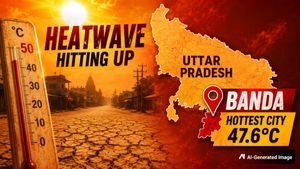 India's Hottest City Hit 47.6°C Today — This Is What Heatstroke Looks Like


Sushma Swaraj Dies At 67: Know The Difference Between Cardiac Arrest And Heart Attack


Sushma Swaraj, the former External Affairs Minister of India died at the age of 67, from a sudden cardiac arrest. While most people tend to think a cardiac arrest and a heart attack are the same thing, in reality the two are vastly different heart problems.

You get a heart attack when a block in an artery supplying the muscles of the heart prevents blood from reaching your heart on time, causing tissue death in some vital parts. On the other hand, a sudden cardiac arrest is an electrical malfunction that causes the heart to stop beating unexpectedly and suddenly.
So, here's everything you need to know about the two conditions.

Why Do You Get A Heart Attack?
Coronary artery disease is the underlying cause of all heart attacks.
In coronary artery disease, the coronary arteries of your heart (arteries that transport oxygen and nutrients via blood to the heart muscles) become constricted and narrow over time due to build-up of cholesterol plaque.
While this plaque is covered by a fibrous cap, once it becomes too big, the force of your blood pressure can easily cause a rupture on its surface. This rupture draws in platelets and clotting factors to the site, which quickly leads to the formation of a blood clot that narrows your artery even further.
If this blood clot is large enough, it can completely block the blood vessel, cutting off blood supply to the corresponding part of the heart, which then starts to die. You get a heart attack when this damage to your heart muscle is so severe that is prevents your heart from pumping out blood.
In the scientific world, this is known as a myocardial infarction.

Why Do Cardiac Arrests Happen?
A sudden cardiac arrest occurs when an electrical malfunction makes the heart stop beating suddenly. This cuts off blood supply to all the vital organs of the body, including the brain, causing sudden unconsciousness and lack of a pulse.
It is caused by cardiac abnormalities like ventricular fibrillation, cardiac myopathy, valvular or congenital heart diseases, and heart failure.
A sudden cardiac arrest is a medical emergency that requires immediate administration of CPR or electrical defibrillation. In the absence of these, a cardiac arrest is fatal.

Cardiac Arrest vs Heart Attack: Are The Two Linked?
A prolonged heart attack that causes muscle death of a vital area of the heart can lead to a sudden cardiac arrest. That is the only link between these two conditions.
That's why conditions that increase the risk of a heart attack also increase the risk of a cardiac arrest, although the latter can occur independent of a heart attack as well.

The Risk Factors Of A Heart Attack
The following increase the risk of coronary artery disease and heart attack. See if you need to make any lifestyle changes based on these.
- Diabetes
- Smoking
- Hypertension
- High cholesterol
- Obesity
- Sedentary lifestyle
- Over-consumption of alcohol
How To Handle A Heart Attack Or Cardiac Arrest
The primary symptom of a heart attack is a sudden, shooting pain in the chest that radiates to your left arm, shoulders, and neck.
Other symptoms include, nausea, breaking into cold sweat, and a sudden feeling of dread.
So, if you develop these symptoms or see anyone who is showing them, call for an ambulance immediately or shout and seek assistance.
In case of a cardiac arrest, as soon as you have alerted emergency medical professionals, administer CPR to the individual to keep their heart beating until help arrives.
Remember: every minute counts when it comes to a heart attack or a sudden cardiac arrest.

 Continue with Google