




 Click it and Unblock the Notifications


Latest Updates
-
 Horoscope for Today May 23, 2026 - Small Choices Build Real Momentum
 -
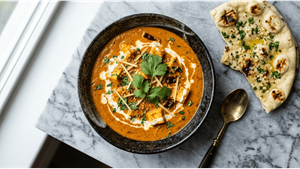 The Dhaba Secret Paneer Lababdar Recipe: A Creamy Delight
 -
 “Authenticity Matters More Than Perfect Pictures”, Indian Artist Namrata Lodaya On Cannes 2026 Experience
 -
 Stroke Center: Why Expert Emergency Brain Care Can Change Recovery Outcomes
 -
 This Odisha Farmer Grows The World’s Most Expensive Mango, Worth Almost The Price Of Gold!
 -
 A New Era in Surgical Precision: Exploring Da Vinci (Single Port) Robotic Surgery
 -
 Who Is Raseshwari Devi Ji? Spiritual Leader Driving Odisha’s 1,500+ Seat Meditation And Yoga Centre Project
 -
 OTT Releases This Week (May 18–24): What’s New On Netflix, JioHotstar, Prime Video, Zee5 And More
 -
 Raja Ram Mohan Roy’s 254th Birth Anniversary: 10 Powerful Quotes Of The ‘Father Of Indian Renaissance’
 -
 6 Foods You Shouldn't Overeat With Mangoes This Season


Treat Obesity With Zone Diet


Zone Diet For Obesity
Zone diet for obesity promotes the intake of a balanced diet which is a combination of 40% carbohydrates, 30% fat and 30% protein. According to this diet the plate should be divided into three halfs.
The first half of the palte should be lean protein like tofu, turkey, chicken, fish etc. The amount of this protein should be of the size of your palm. The extra protei is stored as fat, thus, tricking the body system to burn the fat as the source of energy.
The second half of the plate is for non-starchy vegetables like cabbage, broccoli, celery and spinach. These can be eaten in both raw and cooked form. Avoid strachy vegetables and even if taken at some time should not be more than 25% of the whole meal.
The third half of the plate is for fruits and nuts. The concentration of furits should be more and nuts should be few. Avoid fatteing fruits like banana or raisin. Eat fruits like kiwi, pears, apples, berries and grapes. A little olive oil can also be used to cook the zone diet meal.
How Zone diet for obesity work?
This diet is the perfect combination of carbohydrates and protein. Consuming carbohydrates leads to production of insulin. More insulin leads the body to convert carbohydrates into fat. The intake of lean protein triggers the hormone glucagon, which releases carbohydrates from the liver. This action then sends the singnal to the brain, which senses that the needs of energy from carbohydrates is met and so one should stop eating. Thus, controlled intake of carbohydrates and balanced intake of protein helps to keep the insulin production under control, thus controlling hunger and weight gain.
This diet for obesity has worked for many. To know more about obesity click here.
Disclaimer: The information provided in this article is for general informational and educational purposes only and is not intended as a substitute for professional medical advice, diagnosis, or treatment. Always seek the advice of your physician or a qualified healthcare provider with any questions you may have regarding a medical condition.

 Continue with Google