




 Click it and Unblock the Notifications


Latest Updates
-
 Heatwave Alert: Why Your Phone and Laptop Are Overheating Right Now
 -
 National Anti-Terrorism Day 2026: How Rajiv Gandhi’s Assassination Sparked A Nationwide Call For Peace
 -
 International Tea Day 2026: Here's What Drinking Tea First Thing In The Morning Does To Your Gut
 -
 Horoscope for Today May 21, 2026 - Curiosity Rises, Plans Shift
 -
 Paneer Lababdar Recipe: Creamy Restaurant-Style Curry Made Easy
 -
 Mouni Roy’s Cannes 2026 Patola Gown Took 300 Hours To Craft — The Story Of Gujarat’s GI-Tagged Weave
 -
 Bread Pizza Recipe: Your Instant Snack Hack
 -
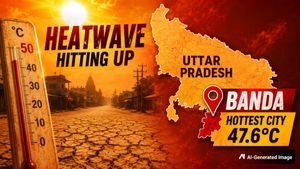 India's Hottest City Hit 47.6°C Today — This Is What Heatstroke Looks Like
 -
 Exclusive: Rubina Dilaik Said Yes To The Ward In Seconds: Here's The Raw Truth Behind Why
 -
 PM Modi Turns Viral ‘Melodi’ Nickname Real With Melody Gift To Meloni, Inside India’s Iconic Toffee Origin


Credit Crunch Leads One To Obesity


How? Well, if one goes by the explanation, it's simple indeed. Recession means an increase in price, just about everything, which further leads to debt. And with people's inability to cope up with the rising prices in food grains, there comes a stiff decline in the amount of healthy food that one consumes. This, in turn, exposes a person to obesity.
The researcher blamed the trend on the high price of healthy food, and a tendency for people worried by debt to comfort eat. For this, the researcher worked with a team of researchers to study more than 9000 people, finding that 25 per cent of the 949 people in debt were medically obese, compared to only 11 per cent of the remaining 8318 participants. She said: "The recent credit crunch will have health implications for private households." She adds: "We've shown that debt can be associated with the probability of being overweight or obese, independent of these factors."
The researchers say that debt can affect a series of risk factors for chronic diseases, for example by limiting leisure time activities and participation in social events. One of the researchers even said: "A person's ability to pick and choose the food they eat often depends on the financial resources they have available." He adds, "Energy-dense foods such as sweets or fatty snacks are often less expensive compared to food with lower energy density such as fruit or vegetables."
AGENCIES
Disclaimer: The information provided in this article is for general informational and educational purposes only and is not intended as a substitute for professional medical advice, diagnosis, or treatment. Always seek the advice of your physician or a qualified healthcare provider with any questions you may have regarding a medical condition.

 Continue with Google