




 Click it and Unblock the Notifications


Latest Updates
-
 Horoscope for Today May 21, 2026 - Curiosity Rises, Plans Shift
 -
 Paneer Lababdar Recipe: Creamy Restaurant-Style Curry Made Easy
 -
 Mouni Roy’s Cannes 2026 Patola Gown Took 300 Hours To Craft — The Story Of Gujarat’s GI-Tagged Weave
 -
 Bread Pizza Recipe: Your Instant Snack Hack
 -
 India's Hottest City Hit 47.6°C Today — This Is What Heatstroke Looks Like
 -
 Exclusive: Rubina Dilaik Said Yes To The Ward In Seconds: Here's The Raw Truth Behind Why
 -
 PM Modi Turns Viral ‘Melodi’ Nickname Real With Melody Gift To Meloni, Inside India’s Iconic Toffee Origin
 -
 Superglue, A Potato, A Plastic Bag: The Dangerous DIY Contraception Cases That Shocked Doctors
 -
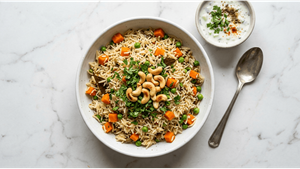 One Pot Easy Meal: Delicious Veg Pulav Recipe
 -
 'Melodi' Moment Breaks The Internet: PM Modi Meets Giorgia Meloni In Rome, Colosseum Diplomacy Explained


Refrigerators Cause Food Poisoning

{image- www.boldsky.com} Pathogens in s at home may partly be responsible for food-related sicknesses, say experts.
This proposition came from experts who met to address home-based food safety issues at the Institute of Food Technologists' Annual Meeting and Food Expo in New Orleans recently.
Dr. Fur-Chin Chen, a microbiologist at the University of Tennessee, said that a quarter of the s he inspected during a recent study contained a variety of pathogens.
The researcher also said that vegetable bins were the most contaminated.
"You don't have to go to a restaurant or to a party to get sick," said Dr. Chen.
The experts highlighted the fact that consumers usually avoided weekly cleaning of their s.
Referring to one study that calculated the percentage of consumers who clean their s once a month at 50, they said that the figure was likely exaggerated because people failed to clean thoroughly.
According to them, s shouldn't be more than 10 years old, and that they should be cleaned inside and out with dish soap once a week.
Dr. Sandria Godwin with Tennessee State University's Family and Consumer Sciences suggested that consumers allow the shelves and drawers to air dry.
The meeting also saw panellists discussing the fact that risky food-handling practices increased with education and income, a phenomenon that none of them could explain.
Godwin said that most people, whether well educated or not, thought that they knew more than they did
Disclaimer: The information provided in this article is for general informational and educational purposes only and is not intended as a substitute for professional medical advice, diagnosis, or treatment. Always seek the advice of your physician or a qualified healthcare provider with any questions you may have regarding a medical condition.

 Continue with Google