




 Click it and Unblock the Notifications


Latest Updates
-
 Paneer Lababdar Recipe: Creamy Restaurant-Style Curry Made Easy
 -
 Mouni Roy’s Cannes 2026 Patola Gown Took 300 Hours To Craft — The Story Of Gujarat’s GI-Tagged Weave
 -
 Bread Pizza Recipe: Your Instant Snack Hack
 -
 India's Hottest City Hit 47.6°C Today — This Is What Heatstroke Looks Like
 -
 Exclusive: Rubina Dilaik Said Yes To The Ward In Seconds: Here's The Raw Truth Behind Why
 -
 PM Modi Turns Viral ‘Melodi’ Nickname Real With Melody Gift To Meloni, Inside India’s Iconic Toffee Origin
 -
 Superglue, A Potato, A Plastic Bag: The Dangerous DIY Contraception Cases That Shocked Doctors
 -
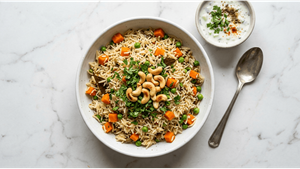 One Pot Easy Meal: Delicious Veg Pulav Recipe
 -
 'Melodi' Moment Breaks The Internet: PM Modi Meets Giorgia Meloni In Rome, Colosseum Diplomacy Explained
 -
 Remembering Bipin Chandra Pal On His 94th Death Anniversary With 10 Bold Quotes On Swaraj And Identity


Your Genes May Not Be A Barrier To Weight Loss

Do not blame your genes for not being able to reduce that ever-burgeoning waistline. While your genes can increase the risk of obesity, they do not hamper weight-loss, researchers have found.
People carrying a gene associated with fat mass and obesity (FTO gene) are at risk of being heavier and increasing their obesity levels. Carriers of this FTO gene are known to be on average 3 kilos heavier and 70 per cent more likely to be obese.
However, carrying the risk version of the FTO gene has no effect on weight loss, as people with FTO gene respond just as well to weight loss interventions as everyone else, the study said.

"You can no longer blame your genes. Our study shows that improving your diet and being more physically active will help you lose weight, regardless of your genetic makeup," said lead author Professor John Mathers at the Newcastle University in Britain.
Moreover, the response to weight loss interventions for people carrying the risk variant of the FTO gene was similar for men and women, younger and older individuals and of different ethnicities, the researchers stated.
"This is important news for people trying to lose weight as it means that diet, physical activity or drug-based weight loss plans will work just as well in those who carry the risk version of FTO," Mathers added.
For the study, published in the journal The BMJ, the team used individual data from 9563 adults, who were enrolled in random controlled weight loss trials around the world to find out whether carrying the risk version of the FTO gene affects the amount of weight loss.
The causes of the obesity epidemic are multiple and complex, but current evidence suggests that they have little to do with gene profiles, Alison Tedstone, Chief Nutritionist at the Public Health England, said in a linked editorial.
Inputs from IANS
Disclaimer: The information provided in this article is for general informational and educational purposes only and is not intended as a substitute for professional medical advice, diagnosis, or treatment. Always seek the advice of your physician or a qualified healthcare provider with any questions you may have regarding a medical condition.

 Continue with Google