




 Click it and Unblock the Notifications


Latest Updates
-
 International Tea Day 2026: Here's What Drinking Tea First Thing In The Morning Does To Your Gut
 -
 Horoscope for Today May 21, 2026 - Curiosity Rises, Plans Shift
 -
 Paneer Lababdar Recipe: Creamy Restaurant-Style Curry Made Easy
 -
 Mouni Roy’s Cannes 2026 Patola Gown Took 300 Hours To Craft — The Story Of Gujarat’s GI-Tagged Weave
 -
 Bread Pizza Recipe: Your Instant Snack Hack
 -
 India's Hottest City Hit 47.6°C Today — This Is What Heatstroke Looks Like
 -
 Exclusive: Rubina Dilaik Said Yes To The Ward In Seconds: Here's The Raw Truth Behind Why
 -
 PM Modi Turns Viral ‘Melodi’ Nickname Real With Melody Gift To Meloni, Inside India’s Iconic Toffee Origin
 -
 Superglue, A Potato, A Plastic Bag: The Dangerous DIY Contraception Cases That Shocked Doctors
 -
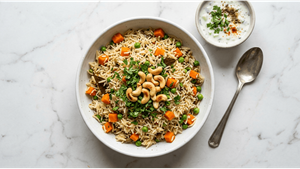 One Pot Easy Meal: Delicious Veg Pulav Recipe


Nutrition Rules For Vegetarians

If you are a vegetarian, then it is very important for you to understand the nutrition rules and eat a balanced diet. When your diet is restricted to vegetarian food only, you have to be a little more cautious about taking a balanced diet. Your body needs all nutrients and you have to fulfill its needs with vegetarian diet only. There are some essential components of a balanced diet which either come from animal sources only or better absorbed by body when you eat non-veg food. But it doesn't mean that a vegetarian diet cannot provide you proper nutrition.
You simply have to understand the rules of a vegetarian diet that you should follow. When planning a vegetarian diet, make sure that you are including such foods to it which will provide enough protein, calcium, iron and other essential components to your body. You will have to do a proper planning for your vegetarian diet so that your body gets all its need. Generally, vegetarian diet eliminates certain foods which are a very good source of protein, omega-3 fatty acids, zinc, iodine and Vitamin B12. So, you have to make sure that you get all of them.
Make sure you are cautious about including nutrients when following a vegetarian diet:

Protein
Veggies should make sure that they are taking enough protein in their diet. Some people follow vegetarian diet without considering the importance of protein which is very necessary for your body. Include legumes, grains, tofu and lentils in your diet which are a very good source of protein.

Omega-3 fatty acids
It is one of the very important nutrition rules for vegetarians. For vegans, the source of omega-3 fatty acids are flaxseeds, pumpkin seeds, hemp seeds, walnuts, soybean oil, canola oil and certain leafy green vegetables.

Iron
Iron is a very important component of red blood cells. Vegetarians are advised to take almost double the amount of iron than non-vegetarians. Eat iron-rich foods like dried beans, lentils, greens and also eat Vitamin C rich foods. It helps your body absorb iron.

Vitamin B12
Vitamin B12 comes from animal sources only. If you are a vegetarian, either you have to take supplements or fortified cereals and soy milk. Pregnant women are advised to take supplements to fulfill the body's requirement.

Zinc
It is very important to know the rules of a vegetarian diet. Zinc is a very important component of balanced diet. You should include such foods in your diet which have zinc in it. Plant sources of zinc include soy products, whole grains, nuts, soy products and legumes.

Calcium
If you are a vegetarian, it is a very important nutrition rule that you take enough calcium. Milk, dairy products and some green leafy vegetables are very rich in calcium. Include dairy products, kale, broccoli, turnip and fortified products in your diet.

Iodine
Vegetarians, generally, are at a greater risk of Iodine deficiency and possibly a goiter. All vegans should intake iodized salt in their diet. Vegetarian foods like sweet potato, cruciferous vegetables and soy beans may promote goiter.

 Continue with Google