




 Click it and Unblock the Notifications


Latest Updates
-
 Paneer Lababdar Recipe: Creamy Restaurant-Style Curry Made Easy
 -
 Mouni Roy’s Cannes 2026 Patola Gown Took 300 Hours To Craft — The Story Of Gujarat’s GI-Tagged Weave
 -
 Bread Pizza Recipe: Your Instant Snack Hack
 -
 India's Hottest City Hit 47.6°C Today — This Is What Heatstroke Looks Like
 -
 Exclusive: Rubina Dilaik Said Yes To The Ward In Seconds: Here's The Raw Truth Behind Why
 -
 PM Modi Turns Viral ‘Melodi’ Nickname Real With Melody Gift To Meloni, Inside India’s Iconic Toffee Origin
 -
 Superglue, A Potato, A Plastic Bag: The Dangerous DIY Contraception Cases That Shocked Doctors
 -
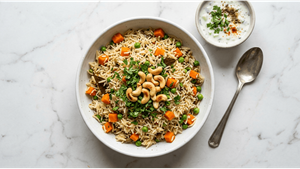 One Pot Easy Meal: Delicious Veg Pulav Recipe
 -
 'Melodi' Moment Breaks The Internet: PM Modi Meets Giorgia Meloni In Rome, Colosseum Diplomacy Explained
 -
 Remembering Bipin Chandra Pal On His 94th Death Anniversary With 10 Bold Quotes On Swaraj And Identity


Depression And Junk Foods: What Is The Link?

Depression is a common mental health condition that affects millions of people worldwide. One in twenty Indians suffers from depression, according to the National Mental Health Survey 2015-16. Nearly 15% of Indian adults need active intervention for one or more mental health issues [1].

While there are many factors that can contribute to the development of depression, recent research has uncovered a potential link between depression and junk foods [2]. In this article, we will explore the link between junk food and depression.
Read on...
Depression And Junk Foods: What Is The Link?
1. What are junk foods?
Junk foods are typically defined as highly processed foods that are high in calories, sugar, and fat. These foods are often low in nutrients and can contribute to a variety of health problems, including obesity, diabetes, and heart disease [3].
Examples of junk foods include fast food, candy, soda, and processed snacks.
2. The link between junk foods and depression
Several studies have suggested that there may be a link between junk foods and depression.

- In one study, researchers found that people who ate a diet high in processed foods were more likely to develop depression than those who ate a diet rich in fruits, vegetables, and whole grains [4].
- Another study found that a diet high in sugar and saturated fat was associated with an increased risk of depression [5].
3. How Junk Foods Affect the Brain
There are several ways in which junk foods may contribute to the development of depression. For example, research has shown that a diet high in sugar and saturated fat can cause inflammation in the brain, which may increase the risk of depression.
Additionally, junk foods can disrupt the balance of neurotransmitters in the brain, which can also contribute to depression [6].

On A Final Note...
While more research is needed to fully understand the link between junk foods and depression, the evidence thus far suggests that there may be a connection. If you struggle with depression, it may be worth considering the role that your diet plays in your condition.
By making small changes to your diet, such as reducing your intake of junk foods and increasing your consumption of whole foods, you may be able to improve your mental health and overall well-being.
Disclaimer: The information provided in this article is for general informational and educational purposes only and is not intended as a substitute for professional medical advice, diagnosis, or treatment. Always seek the advice of your physician or a qualified healthcare provider with any questions you may have regarding a medical condition.

 Continue with Google