




 Click it and Unblock the Notifications


Latest Updates
-
 Horoscope for Today May 21, 2026 - Curiosity Rises, Plans Shift
 -
 Paneer Lababdar Recipe: Creamy Restaurant-Style Curry Made Easy
 -
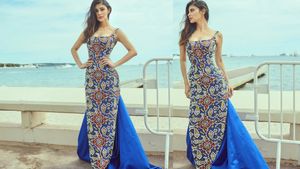 Mouni Roy’s Cannes 2026 Patola Gown Took 300 Hours To Craft — The Story Of Gujarat’s GI-Tagged Weave
 -
 Bread Pizza Recipe: Your Instant Snack Hack
 -
 India's Hottest City Hit 47.6°C Today — This Is What Heatstroke Looks Like
 -
 Exclusive: Rubina Dilaik Said Yes To The Ward In Seconds: Here's The Raw Truth Behind Why
 -
 PM Modi Turns Viral ‘Melodi’ Nickname Real With Melody Gift To Meloni, Inside India’s Iconic Toffee Origin
 -
 Superglue, A Potato, A Plastic Bag: The Dangerous DIY Contraception Cases That Shocked Doctors
 -
 One Pot Easy Meal: Delicious Veg Pulav Recipe
 -
 'Melodi' Moment Breaks The Internet: PM Modi Meets Giorgia Meloni In Rome, Colosseum Diplomacy Explained


Fashion And Fiction


The study, published in the Journal of Consumer Research, studied such pics in fashion magazines like Vogue: a Jimmy Choo ad portraying a woman fishing a purse out of a pool that contains a floating corpse of man, and a Dolce & Gabbana ad that features one beautiful woman dressed in period costume skewering another in the neck.
The researchers interviewed 18 women who regularly read fashion magazines to report their reaction to magazines flaunting such images. The report confessed that women approached fashion advertisement as a type of fiction. "These women would be transported into the story world set in motion by the ad's pictures, asking themselves, ''What is happening here?'' and ''What will happen next?'' Explains one of the researchers.
These images allow a women to get indulged in the advertisement and examine its lighting, colors, lines, composition, and creativity. The researchers conclude that these images engage the reader in the fashion ad making her go through every detail.
The fashion industry also aims at not only presenting their collections but also to make their readers engage in their message and remember the ad for a longer time.
"The merely pretty was too easily passed over; grotesque juxtapositions were required to stop and hold the fashion consumer flipping through Vogue. For the brands that choose to use grotesque imagery—roughly one-fourth, according to a content analysis—the promise is that greater engagement with ad imagery will lead to a more intense and enduring experience of the brand," reports a researcher.

 Continue with Google