




 Click it and Unblock the Notifications


Latest Updates
-
 Chana Masala Recipe: Experience Dhaba Style Authentic Taste
 -
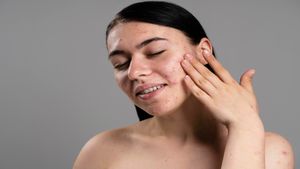 Struggling With Oily Skin This Summer? Simple Tips to Keep Shine Under Control
 -
 Garlic Bread Recipe: The Cheesy Bakery Style Trick You Need
 -
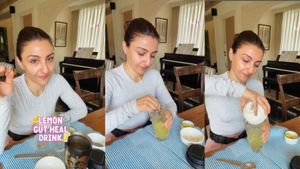 Soha Ali Khan Swears By This ‘Gentle Game-Changer’ Lemon Drink for Gut Health: Full Recipe Inside
 -
 World Health Day 2026: You’re Not As Healthy As You Think—Here’s Why
 -
 One Pot Easy Lunch Recipe: Flavorful Veg Pulao
 -
 Karan Aujla India Tour Controversy: Lucknow and Ludhiana Shows Cancelled—What Went Wrong?
 -
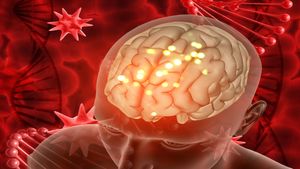 Kissing Disease Linked to 3x Higher Risk of Multiple Sclerosis: What You Should Know
 -
 Feeling Drained in the Heat? 10 Healthy Drinks to Sip This Summer
 -
 Happy Birthday Rashmika Mandanna: Steal Her White Looks For Easter 2026 Festive Parties And Celebrations


Yoga For Anger (Contd)


1.Withdrawal: quiet remoteness, silence, little communication especially about feelings.
2.Psychosomatic disorders: tiredness, anxiety, high blood pressure, heart disease. Actually, college students with high Hostility scores had, 20 years later, become more overweight with higher cholesterol and hypertension had drunk more coffee and alcohol, had smoked more cigarettes, and generally had poorer health (Friedman, 1991).
3.Depression and guilt.
4.Serious mental illness: paranoid schizophrenia.
5.Accident-proneness and self-defeating or addictive behavior, such as drinking, over-eating, or drugs.
6.Vigorous, distracting activity (exercising or cleaning).
7.Excessively submissive, deferring behavior.
8.Crying.
Indirect verbal signs:
1."I just don't want to talk."
2."I'm disappointed in our relationship."
3."I feel bad all the time."
4."If you had just lost some weight."
5."I'm really swamped with work, can't we do something about it?"
Yoga teaches us that any experience can point us to the Self. Instead of a prisoner of anger, one can become its student. And our daily life provides us with ample "opportunities" to breathe in our upset and awaken our heart.
Urdhva Padmasana in Sirsasana
Urdhva means above or high. Padmasana is the lotus pose described earlier. In this variation, Padmasana is done in the head stand.
Technique
1.This pose is to be done after the Eka Pada and Parsvaika Pada Sirsasanas. After completing these two positions cross the legs as in Padmasana. First place the right foot over the left thigh.
2.Press the knees closer to each other and stretch the thighs up vertically.
3.Hold this position for half a minute with deep and even breaths. Then, exhale and extend the thigh as far back as possible.
4.Uncross the legs and return to Sirsasana. Now cross the legs the other way, first placing the left foot over the right thigh and then the right foot over the left thigh. Stay like this also for half a minute and then extend the thighs back.
5.While stretching the thighs up do not change the position of the head or the neck.
Effects
This posture gives an extra pull to the dorsal region, the ribs and the pelvic region. Consequently, the chest is fully expanded and blood circulates properly in the pelvic region. To give an added stretch, one can perform the pose by giving the trunk a lateral twist while doing the head stand.
Disclaimer: Before practice, please consult your doctor in case you are suffering from ailments. It is recommended to practice under the guidance of experts.


 Continue with Google