




 Click it and Unblock the Notifications


Latest Updates
-
 Chana Masala Recipe: Experience Dhaba Style Authentic Taste
 -
 Struggling With Oily Skin This Summer? Simple Tips to Keep Shine Under Control
 -
 Garlic Bread Recipe: The Cheesy Bakery Style Trick You Need
 -
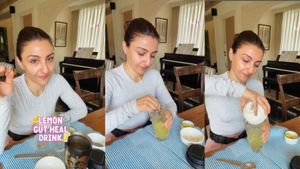 Soha Ali Khan Swears By This ‘Gentle Game-Changer’ Lemon Drink for Gut Health: Full Recipe Inside
 -
 World Health Day 2026: You’re Not As Healthy As You Think—Here’s Why
 -
 One Pot Easy Lunch Recipe: Flavorful Veg Pulao
 -
 Karan Aujla India Tour Controversy: Lucknow and Ludhiana Shows Cancelled—What Went Wrong?
 -
 Kissing Disease Linked to 3x Higher Risk of Multiple Sclerosis: What You Should Know
 -
 Feeling Drained in the Heat? 10 Healthy Drinks to Sip This Summer
 -
 Happy Birthday Rashmika Mandanna: Steal Her White Looks For Easter 2026 Festive Parties And Celebrations


Why Do Indian Brides Get Covered In Haldi On Their Wedding Day? It's More Than Skin Deep

If you've ever attended a traditional Indian wedding, you've likely witnessed a vibrant ritual where the bride and groom are smeared head-to-toe in bright yellow turmeric paste, known as haldi. It's joyful, colourful, Instagram-worthy-but also deeply symbolic.
The question is: why turmeric? Is it just about glowing skin, or is there something ancient, perhaps even mystical, behind the yellow?

Let's unpack what this ritual is really about.
It's Not Just Skin Deep, Turmeric Has A Spiritual Role
In Hindu tradition, turmeric is considered sacred and purifying. Applying it before the wedding isn't just about beauty-it's believed to cleanse the aura, ward off evil spirits, and prepare the couple for sacred union. In fact, turmeric's powerful sattvic (pure) properties are said to invite blessings from the gods themselves. It's no coincidence that it's used in nearly every major religious ceremony in Indian culture.
The Bride And Groom Aren't The Only Ones Affected
What many people overlook is how communal the haldi ceremony is. When family members apply turmeric to the bride and groom, they symbolically share in their joy, protection, and spiritual readiness. It's a ritual of collective goodwill-and it's also why the haldi from the bride is never reused or shared, as it is considered charged with her personal energy.
There's A Science Behind The Yellow Too
Turmeric isn't just spiritually potent-it's also a scientifically proven antibacterial and anti-inflammatory agent. Applying it to the skin helps reduce acne, clear scars, and gives that unmistakable bridal glow. But here's what's wild: this ancient tradition practiced for centuries now has medical backing. Your nani was right all along.

An Omen For Fertility, Prosperity And Even Marriage Timing
In some parts of India, the haldi colour left on the skin is read for signs. A deep stain indicates prosperity and luck in marriage, while a pale one might mean the wedding needs more rituals for spiritual alignment. Some believe turmeric helps in boosting fertility and symbolizes prosperity, which is why it's the final skin ritual before the wedding.
A Shield Against The Evil Eye
Perhaps the most mystical part of the haldi ritual is this: turmeric is believed to guard against nazar, or the evil eye. In ancient folklore, yellow wards off jealousy and envy-which often peak during marriage preparations. Haldi isn't just beauty prep-it's an energetic shield.


 Continue with Google