




 Click it and Unblock the Notifications


Latest Updates
-
 One Pot Easy Meal: Delicious Veg Pulav Recipe
 -
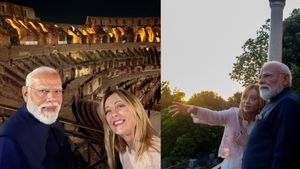 'Melodi' Moment Breaks The Internet: PM Modi Meets Giorgia Meloni In Rome, Colosseum Diplomacy Explained
 -
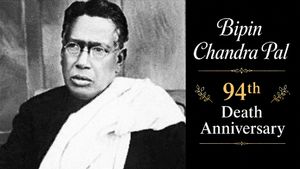 Remembering Bipin Chandra Pal On His 94th Death Anniversary With 10 Bold Quotes On Swaraj And Identity
 -
 'That Imposter Syndrome Is Always There' — Virat Kohli Just Said What Most High Achievers Won't Admit
 -
 Varada Chaturthi 2026: Significance, Puja Timings, Rituals And Why Devotees Avoid Seeing The Moon
 -
 Is Your Mango Safe To Eat? Seven Warning Signs To Check Before You Bite
 -
 Your Quick Energy Drink: The Ultimate Banana Shake Recipe
 -
 Horoscope for Today May 20, 2026 - Calm Energy, Steady Progress for All Signs
 -
 Spicy Home Style Chicken Masala Recipe: Your New Favorite Dinner
 -
 Who Is Abhijeet Dipke? The Man Behind India's Viral Cockroach Janta Party


Thirukkural-On Wealth-On Kingship-Kural 382

Anjaamai eekai arivuookam innaangum Enjaamai vaendhark kiyalpu
Courage, generosity, knowledge and perseverance, in boundless measure
Are four-fold traits natural to kings.
Over the ages these king-becoming graces, as Shakespeare described them, were delineated as the four essential and in-born traits of a person, born and chosen to be a ruler, whether it was the Noble prince of Confucius or the philosopher king of Plato, or even one of the traditional and sometimes charismatic hereditary princes of India.
Fearlessness was so much a part of him and so consistently inculcated in him that a stage was reached when the prince was considered a person, who knew not what fear was. Moral and physical courage was a part of his natural equipment. They were also natural givers; they gave till it hurt. Some like King Sibi or Prince Karna were extreme examples of regal generosity, even to the extent of risking their own lives.
The requisite knowledge too came naturally to them in their environment and more of it was imparted during the systematic training they received for kingship. They were expected also to possess sufficient knowledge in extent and variety, to be able to have recourse, as and when necessary on their own, to the other sources of knowledge that were at their command. Further, they were expected too to possess an out-standing measure of enthusiasm and perseverance to be able to pursue successfully every project and programme they took on their fruition.

 Continue with Google