




 Click it and Unblock the Notifications


Latest Updates
-
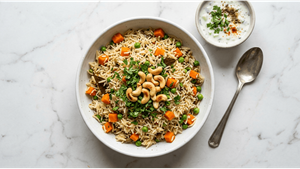 One Pot Easy Meal: Delicious Veg Pulav Recipe
 -
 'Melodi' Moment Breaks The Internet: PM Modi Meets Giorgia Meloni In Rome, Colosseum Diplomacy Explained
 -
 Remembering Bipin Chandra Pal On His 94th Death Anniversary With 10 Bold Quotes On Swaraj And Identity
 -
 'That Imposter Syndrome Is Always There' — Virat Kohli Just Said What Most High Achievers Won't Admit
 -
 Varada Chaturthi 2026: Significance, Puja Timings, Rituals And Why Devotees Avoid Seeing The Moon
 -
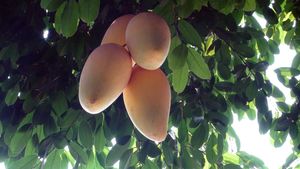 Is Your Mango Safe To Eat? Seven Warning Signs To Check Before You Bite
 -
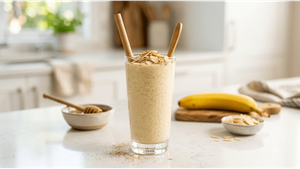 Your Quick Energy Drink: The Ultimate Banana Shake Recipe
 -
 Horoscope for Today May 20, 2026 - Calm Energy, Steady Progress for All Signs
 -
 Spicy Home Style Chicken Masala Recipe: Your New Favorite Dinner
 -
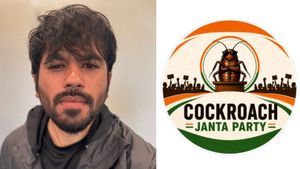 Who Is Abhijeet Dipke? The Man Behind India's Viral Cockroach Janta Party


Thirukkural-On Wealth-Avoidance Of Faults-Kural-432


Uvakaiyum aedham iraikku
Parsimony born out of greed, selfish pride and excessive pleasure seeking,
All three are faults in a prince.
The term, concerning which there is difference of opinion in translation and interpretation is 'Ivaral' My translation of this word is based on Pariperumal"s interpretation. Of all the commentators, he alone would say that there are two aspects to miserliness, one, of coveting what he cannot legitimately come by and which cannot rightfully belong to him, and, consideration whatsoever for those to whom it should legitimately go and to the other needy poor. The expression 'parsimony born out of greed" will cover both these aspects of miserliness.
K V Jaganathan in his Research edition of Thirukkural quotes from Kalithokai to explain the send aspect:
“Ieedhalin kuraikaataadharanarindh tholugiya
Theedhilaan selvam poal"
K Srinivasan ignores the meaning of parsimony or miserliness, emphasised by V V S Iyer and speaks only of Greed.
These two Kurals speak of the obviously serious faults, that a king may be guilty of, and which he should strive hard to avoid.

 Continue with Google