




 Click it and Unblock the Notifications


Latest Updates
-
 Your Quick Energy Drink: The Ultimate Banana Shake Recipe
 -
 Horoscope for Today May 20, 2026 - Calm Energy, Steady Progress for All Signs
 -
 Spicy Home Style Chicken Masala Recipe: Your New Favorite Dinner
 -
 Who Is Abhijeet Dipke? The Man Behind India's Viral Cockroach Janta Party
 -
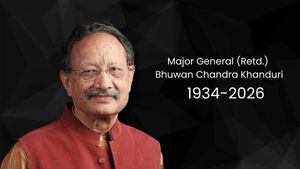 BC Khanduri, Former Uttarakhand CM and Army Veteran, Passes Away at 91
 -
 "Maa, Mujhe Yahan Se Lene Aa Jao": She Begged To Come Home, Nobody Came
 -
 Nachos Recipe: Your Go-To Crunchy Party Snack
 -
 Hacks 101: How To Save Your Makeup When It Starts to Melt
 -
 Always Online, Always Exhausted: Expert Explains The Mental Wellness Cost Of Digital Work Culture
 -
 South Style Meal Vegetable Kurma Recipe: A Flavorful Delight


Tirukkural-On Virtue-The Importance of Virtue-Kural-36


Ponrumkal ponrat tuani...
Do not postpone virtuous deeds, as these alone will befriend you to the full,
Until you die and even afterwards.
Deeds of virtue are referred to here, as having the potential for undying help till the time of death, which is in line with the Biblical statement.
'…Righteousness delivereth from death'.
Such deeds of virtue should be performed there and then and should certainly not be postponed. In Silapathikaram too, while explaining to the Chera King about the uncertainty of life, even with reference to a single day, of wealth and youth, through his character Madalan, Ilangoadigal echoes the sentiments of Valluvar as follows:
Naalai Seikuvom aram yenil indrae
Kelvi naluyur neenginum neengum
Idhuvaena varaindhu vaalunaal unarndhor
Mudhuneer ulakir muluvadhum illai
The same idea has been expressed in another Kural
Naachetru vikul mael vaaraamun nalvinai
Mersendru seyapadum
At a late stage in life, even if good sense prevails, it may not be possible to implement it, as those around including even the wife, may or may not co-operate. This is explained picturesquely in Naladiar – 32.
Sirukaalaiye thamaku selvali nalki
Irukirukath thotkopuk kollaar-Irukiruki
Pinarivaam yenrirukkum paethaiyar kaikaattum
Ponnum puli vilangaayiram
This 'pulivilangai' story has been amplified touchingly in Thiruthakka Thevar's Jeevaka Chinthamani. The wife who intentionally misunderstood the dying husband's sign, indicating the need to do charity with their hoarded wealth, is reported to have told the on-lookers, as if she were horrified, that her husband who was overly fond of 'pulivilangai' was asking for the forbidden fruit at the moment of death.

 Continue with Google