




 Click it and Unblock the Notifications


Latest Updates
-
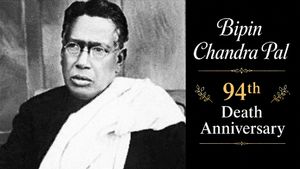 Remembering Bipin Chandra Pal On His 94th Death Anniversary With 10 Bold Quotes On Swaraj And Identity
 -
 'That Imposter Syndrome Is Always There' — Virat Kohli Just Said What Most High Achievers Won't Admit
 -
 Varada Chaturthi 2026: Significance, Puja Timings, Rituals And Why Devotees Avoid Seeing The Moon
 -
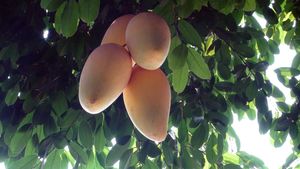 Is Your Mango Safe To Eat? Seven Warning Signs To Check Before You Bite
 -
 Your Quick Energy Drink: The Ultimate Banana Shake Recipe
 -
 Horoscope for Today May 20, 2026 - Calm Energy, Steady Progress for All Signs
 -
 Spicy Home Style Chicken Masala Recipe: Your New Favorite Dinner
 -
 Who Is Abhijeet Dipke? The Man Behind India's Viral Cockroach Janta Party
 -
 BC Khanduri, Former Uttarakhand CM and Army Veteran, Passes Away at 91
 -
 "Maa, Mujhe Yahan Se Lene Aa Jao": She Begged To Come Home, Nobody Came


Tirukkural-On Virtue-The Renunciation-Kural 343


The essence of renunciation is the scotching of the five senses and their experience, As well as the eschewing of all desires at the same time.
Controlling of the five senses and the scotching of all desires constitute the core of renunciation
The message of this Kural is believed to be primarily intended as the straight and narrow path for those who seek to secure early release from births, and achieve eternal bliss. The same idea has been effectively enshrined in the following poem of 'Naladiar,'.
Meivaai kanmookuchch seviyena paerpetra
Aivaaya vaetkai yaavaavinaik kaivaaik
Kalangaamal kaathuikkum aatral udaiyaan
Vilangaadhu veedu paerum
(Naaladi - 59)
'The Gita' speaks of the control of the senses and attaining tranquility this way:
'But the self-controlled man, moving among objects with senses under restraint, and fee from attraction or aversion, attains to tranquility'.
(Gita 2,64)

 Continue with Google