




 Click it and Unblock the Notifications


Latest Updates
-
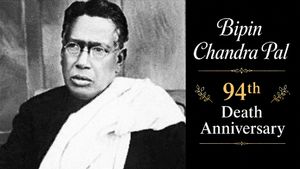 Remembering Bipin Chandra Pal On His 94th Death Anniversary With 10 Bold Quotes On Swaraj And Identity
 -
 'That Imposter Syndrome Is Always There' — Virat Kohli Just Said What Most High Achievers Won't Admit
 -
 Varada Chaturthi 2026: Significance, Puja Timings, Rituals And Why Devotees Avoid Seeing The Moon
 -
 Is Your Mango Safe To Eat? Seven Warning Signs To Check Before You Bite
 -
 Your Quick Energy Drink: The Ultimate Banana Shake Recipe
 -
 Horoscope for Today May 20, 2026 - Calm Energy, Steady Progress for All Signs
 -
 Spicy Home Style Chicken Masala Recipe: Your New Favorite Dinner
 -
 Who Is Abhijeet Dipke? The Man Behind India's Viral Cockroach Janta Party
 -
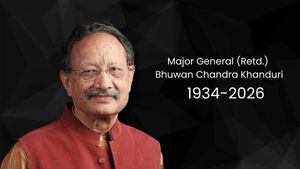 BC Khanduri, Former Uttarakhand CM and Army Veteran, Passes Away at 91
 -
 "Maa, Mujhe Yahan Se Lene Aa Jao": She Begged To Come Home, Nobody Came


Tirukkural-On Virtue-The Renunciation-Kural 341


When you detach yourself from things of the world, one by one, Each step will be a relatively painless process.
This again is Valluvar's practical suggestion to facilitate detachment. He says that when we detach ourselves from things of this world, little by little, the process is relatively painless and, therefore, easy of achievement.
Socrates said that 'to have no wants is divine'. He descended to a human and practical level when he stated, 'The fewer our wants, the closer we resemble the Gods'. After all, attachment to the things of the world is the root cause of all pain, according to every system of philosophy including even the modern philosophy of Thoreau, who said that 'a man is rich in proportion to the number of things he can afford to let alone'. When these attachments are renounced, one by one, we progress by successive steps, involving a quantum of increasing happiness, to ultimate and consummate joy.
The Bhagvad Gita has three relevant passages:
'He, who does actions forsaking attachment, resigning them to Brahman, is not soiled by evil, like unto a lotus-leaf by water'.
(Gita 5,10)
'With the heart unattached to external objects,
he realizes the joy that is in the Self.
With the heart devoted to the mediation
Of Brahman, he attains udecaying happiness'.
(Gita 5,21)
'The renunciation of Kamya actions, the Sages understand as Sanyasa; the wise declare the abandonment of the fruit of all works as Tyaga'.
(Gita 18,2)
Christ's advice to the young man who wanted to be perfect was also renunciation. He said:
'If thou will be perfect, go ye and sell all thou hast, and give to the poor and thou shalt have treasure in Heaven; and come and follow me'.
(matt. 19:21)

 Continue with Google