




 Click it and Unblock the Notifications


Latest Updates
-
 One Pot Easy Meal: Delicious Veg Pulav Recipe
 -
 'Melodi' Moment Breaks The Internet: PM Modi Meets Giorgia Meloni In Rome, Colosseum Diplomacy Explained
 -
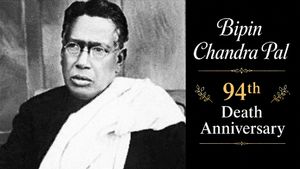 Remembering Bipin Chandra Pal On His 94th Death Anniversary With 10 Bold Quotes On Swaraj And Identity
 -
 'That Imposter Syndrome Is Always There' — Virat Kohli Just Said What Most High Achievers Won't Admit
 -
 Varada Chaturthi 2026: Significance, Puja Timings, Rituals And Why Devotees Avoid Seeing The Moon
 -
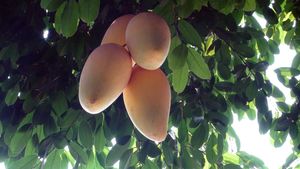 Is Your Mango Safe To Eat? Seven Warning Signs To Check Before You Bite
 -
 Your Quick Energy Drink: The Ultimate Banana Shake Recipe
 -
 Horoscope for Today May 20, 2026 - Calm Energy, Steady Progress for All Signs
 -
 Spicy Home Style Chicken Masala Recipe: Your New Favorite Dinner
 -
 Who Is Abhijeet Dipke? The Man Behind India's Viral Cockroach Janta Party


Thirukkural- On Virtue- Penance-Kural-270


The following is K Srinivasan"s rendering of the Kural:
"The poor are many, the cause is pain
Penance few do, the many shun pain"
This direct translation is questioned by some. K M Balasubramaniam would say, for instance that the poverty referred to here is the poverty of spiritual joylessness. It could be taken that way and no harm done. In fact, it would be much more appropriate. Even Parimelalagar was not satisfied with the straight interpretation. That is why he went on to add that wealth and poverty in this context, relate to the wealth and poverty of true knowledge. In any case Valluvar obviously concludes the chapter with this couplet, definitely relating a man"s state in his life on earth, as also being determined by his prowess in penance.
Naladiar has this to say on the subject.
Purang kadaipatri
Mikkathaam varundhi iruppaare maelaith
Thavathaal thavam seyaadhaar
(Naaladi 31)
This could also be compared with Kural 262.

 Continue with Google