




 Click it and Unblock the Notifications


Latest Updates
-
 One Pot Easy Meal: Delicious Veg Pulav Recipe
 -
 'Melodi' Moment Breaks The Internet: PM Modi Meets Giorgia Meloni In Rome, Colosseum Diplomacy Explained
 -
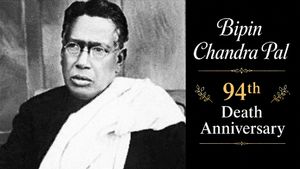 Remembering Bipin Chandra Pal On His 94th Death Anniversary With 10 Bold Quotes On Swaraj And Identity
 -
 'That Imposter Syndrome Is Always There' — Virat Kohli Just Said What Most High Achievers Won't Admit
 -
 Varada Chaturthi 2026: Significance, Puja Timings, Rituals And Why Devotees Avoid Seeing The Moon
 -
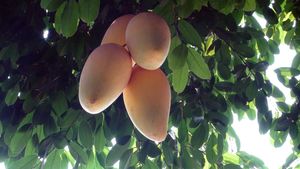 Is Your Mango Safe To Eat? Seven Warning Signs To Check Before You Bite
 -
 Your Quick Energy Drink: The Ultimate Banana Shake Recipe
 -
 Horoscope for Today May 20, 2026 - Calm Energy, Steady Progress for All Signs
 -
 Spicy Home Style Chicken Masala Recipe: Your New Favorite Dinner
 -
 Who Is Abhijeet Dipke? The Man Behind India's Viral Cockroach Janta Party


Thirukkural- On Virtue- Penance-Kural-266


A translation of this couplet on the basis of K M Balasubramaniam's rendering is recorded below:
Only those who do penance could be considered as doing their duty; The others who give way to their desires, fall a prey to blighting vice.
In this kural the poet stresses the importance of penance as a normal duty of persons, who aspire to any degree of righteousness. It is also possible to interpret it to mean that those who perform the duties of their obligation correctly and without attachment to results in the Gita way, automatically do penance.
The following passages of Tamil literature lend support to Valluvar's ideas in this regard:
'Thalaiyaar thankarumam seyvaar'
(Naaladi-52)
Thavathiram poondoan thanmael vaitha
Avathiram ozikenravan vayin uraithapin
(Manimekalai-7; 13-14)
The relevant passage in the Gita is as follows:
'The well-poised (who perform their obligatory duties),
forsaking the fruit of action, attains peace,
born of steadfastness; the unbalanced one,
led by desire, is bound by being attached to the
fruit (of action).
(Gita 5, 12)

 Continue with Google