




 Click it and Unblock the Notifications


Latest Updates
-
 Superglue, A Potato, A Plastic Bag: The Dangerous DIY Contraception Cases That Shocked Doctors
 -
 One Pot Easy Meal: Delicious Veg Pulav Recipe
 -
 'Melodi' Moment Breaks The Internet: PM Modi Meets Giorgia Meloni In Rome, Colosseum Diplomacy Explained
 -
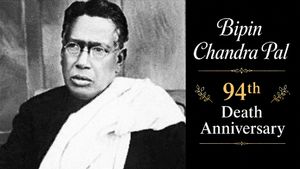 Remembering Bipin Chandra Pal On His 94th Death Anniversary With 10 Bold Quotes On Swaraj And Identity
 -
 'That Imposter Syndrome Is Always There' — Virat Kohli Just Said What Most High Achievers Won't Admit
 -
 Varada Chaturthi 2026: Significance, Puja Timings, Rituals And Why Devotees Avoid Seeing The Moon
 -
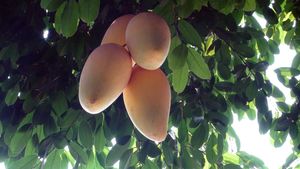 Is Your Mango Safe To Eat? Seven Warning Signs To Check Before You Bite
 -
 Your Quick Energy Drink: The Ultimate Banana Shake Recipe
 -
 Horoscope for Today May 20, 2026 - Calm Energy, Steady Progress for All Signs
 -
 Spicy Home Style Chicken Masala Recipe: Your New Favorite Dinner


Thirukkural- On Virtue- Penance-Kural-262


The translation given below is adopted from Rajaji's:
Penance befits the qualified; when the unqualified resort to it,Penance becomes mere profitless travail.
Penance is for the qualified, who will benefit from it, the qualification being a base of virtue but when the unrighteous take to it, it becomes purposeless. The qualified are apparently those, who either by their virtue or by previous penance, are in the line for it. The poet here discountenances the idea of unrighteous people, taking to penance with selfish and vicious objective.
Parithiar answers the natural objection about the need to begin at some stage, by saying that even penance during youth may be rendered (infructuous), by adverse circumstances arising out of one's actions in the previous birth. I am afraid this cannot be fully accepted in the context of Valluvar's own statements elsewhere indicating that the right will and genuine effort are the final determinants of one's future even in the face of adverse circumstances whether entailing from previous birth or otherwise. To my mind, therefore, the qualifications of genuine good-will and honest effort should suffice.
The interpretation given here is in keeping with the following line of Paripadal:
"Munmurai seyivaththin immurai iyainthoam"
(Paripaadal 11, 138)

 Continue with Google