




 Click it and Unblock the Notifications


Latest Updates
-
 One Pot Easy Meal: Delicious Veg Pulav Recipe
 -
 'Melodi' Moment Breaks The Internet: PM Modi Meets Giorgia Meloni In Rome, Colosseum Diplomacy Explained
 -
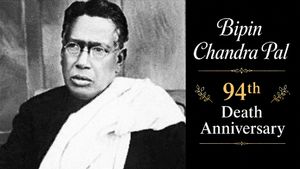 Remembering Bipin Chandra Pal On His 94th Death Anniversary With 10 Bold Quotes On Swaraj And Identity
 -
 'That Imposter Syndrome Is Always There' — Virat Kohli Just Said What Most High Achievers Won't Admit
 -
 Varada Chaturthi 2026: Significance, Puja Timings, Rituals And Why Devotees Avoid Seeing The Moon
 -
 Is Your Mango Safe To Eat? Seven Warning Signs To Check Before You Bite
 -
 Your Quick Energy Drink: The Ultimate Banana Shake Recipe
 -
 Horoscope for Today May 20, 2026 - Calm Energy, Steady Progress for All Signs
 -
 Spicy Home Style Chicken Masala Recipe: Your New Favorite Dinner
 -
 Who Is Abhijeet Dipke? The Man Behind India's Viral Cockroach Janta Party


Tirukkural-On Virtue-The Glory Of Renunciation-Kural 30


Those who are merciful are really the men of virtue, because they have compassion for all living creatures.
The truly great sages are those whose compassion covers, in its sweep, all living things on earth. Parimelalagar has given the most acceptable and delightful interpretation of the word, 'Andhanar = Am + dhan + Ar", which according to him, means, the men actuated by 'warmly" beautiful mercy. I have used the word 'warmly" according to English usage but the actual expression here is 'dhan " referring to the welcome 'cold" in a warm climate.
Manakudavar differs and takes the superficial meaning of 'Brahmin". I would rather agree with Parimelalagar. The idea then would be that, only the men who are actuated by the beautiful quality of mercy, as described by Shakespeare in Merchant of Venice, would be the real sages of the world. The Jain and Buddhist sages particularly set the pattern for such conduct, for they were concerned, 'not for men alone, but for all things which, speechless, share our pain'..

 Continue with Google