




 Click it and Unblock the Notifications


Latest Updates
-
 Varada Chaturthi 2026: Significance, Puja Timings, Rituals And Why Devotees Avoid Seeing The Moon
 -
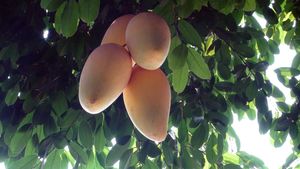 Is Your Mango Safe To Eat? Seven Warning Signs To Check Before You Bite
 -
 Your Quick Energy Drink: The Ultimate Banana Shake Recipe
 -
 Horoscope for Today May 20, 2026 - Calm Energy, Steady Progress for All Signs
 -
 Spicy Home Style Chicken Masala Recipe: Your New Favorite Dinner
 -
 Who Is Abhijeet Dipke? The Man Behind India's Viral Cockroach Janta Party
 -
 BC Khanduri, Former Uttarakhand CM and Army Veteran, Passes Away at 91
 -
 "Maa, Mujhe Yahan Se Lene Aa Jao": She Begged To Come Home, Nobody Came
 -
 Nachos Recipe: Your Go-To Crunchy Party Snack
 -
 Hacks 101: How To Save Your Makeup When It Starts to Melt


Tirukkural-On Virtue-Family Life-Kural 48


Arrin olukki aranilukka ilvalkkai
Norparin noanmai utaittu
A virtuous householder who supports all other orders in their state,
Has more penance in him, than all the hermits.
This Kural only emphasises the idea stated already by Valluvar in earlier couplets. One is reminded in this context of the 'holy householder hermit, Joseph', described effectively in the Tamil Classic, Thembavani by that great Tamil poet, Veeramamunivar, (Rev. Fr. C J Beschi).
The term 'Aaatrin Oluki' would mean that the householder who performs his duty well and lives a life of virtue, helps all other orders to live their lives in virtue. And parallelly the term 'Aranizaka' would imply exactly what is intended in the following Maduraikanchi line.
Ara neri pizayaathaatrin oluki (Madhuraikanchi-500)
The total idea, therefore, is that if a householder lives a life of love and virtue and helps others also to live their ordered lives appropriately, there is no need for anything more by way of the penance of hermits for him, for he would have reached the highest level of penance in the natural course itself.

 Continue with Google