




 Click it and Unblock the Notifications


Latest Updates
-
 Superglue, A Potato, A Plastic Bag: The Dangerous DIY Contraception Cases That Shocked Doctors
 -
 One Pot Easy Meal: Delicious Veg Pulav Recipe
 -
 'Melodi' Moment Breaks The Internet: PM Modi Meets Giorgia Meloni In Rome, Colosseum Diplomacy Explained
 -
 Remembering Bipin Chandra Pal On His 94th Death Anniversary With 10 Bold Quotes On Swaraj And Identity
 -
 'That Imposter Syndrome Is Always There' — Virat Kohli Just Said What Most High Achievers Won't Admit
 -
 Varada Chaturthi 2026: Significance, Puja Timings, Rituals And Why Devotees Avoid Seeing The Moon
 -
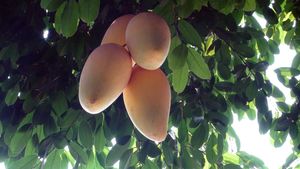 Is Your Mango Safe To Eat? Seven Warning Signs To Check Before You Bite
 -
 Your Quick Energy Drink: The Ultimate Banana Shake Recipe
 -
 Horoscope for Today May 20, 2026 - Calm Energy, Steady Progress for All Signs
 -
 Spicy Home Style Chicken Masala Recipe: Your New Favorite Dinner


Tirukkural-On Virtue-Avoiding Slander-Kural 190


Theethundo mannum uyirkku.
If people scrutinize their own faults as they do the faults of others,Mankind will be freed of all evil.
If only people will see their own faults as clearly as they comprehend other people's faults there will be very little of evil left in humanity.
The poet gives a practical guide-line here, for getting rid of the tendency to slander.
This injunction immediately reminds one of the famous passage of 'the beam and the mote' in the Bible.
'Though hypocrite, first cast out the beam out of thine own eye; and then shalt thou see clearly to cast out the mote out of thy brother's eye'.
(Matt. 7:5)
A relevant Chinese proverb is humorously couched in the following lines:
'Think of your own faults the first part of the night when you are awake, and of the faults of others the latter part of the night, when you are asleep'.
Rajaji comments on this Kural that Thiruvalluvar felt just like burns. The passage of Burns that Rajaji had in mind is probably this.
'O wad some pow'r the giftie gie us
to see ourles as ithers see us'.

 Continue with Google