




 Click it and Unblock the Notifications


Latest Updates
-
 Karishma Tanna and Husband Varun Bangera Share Pregnancy News With Fun Photoshoot, Call Baby ‘Little Miracle’
 -
 Why Women Leaders Are Crucial for Driving Change in India’s Healthcare Sector
 -
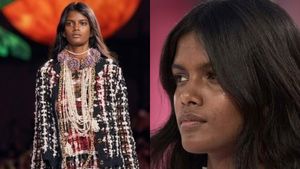 Who Is Bhoomika Yadav? Meet Raipur’s 19-Year-Old, Youngest Indian Model To Walk For Chanel
 -
 Super Crispy Street Style Aloo Tikki Recipe: Your New Favorite Snack!
 -
 Baisakhi 2026: Date, History, Rituals and Cultural Significance Explained
 -
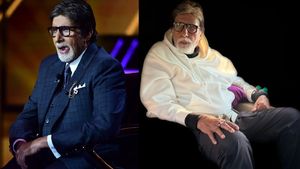 At 83, Amitabh Bachchan Finds Not Working Each Day Disturbing: Why Breaking Routine Triggers Anxiety
 -
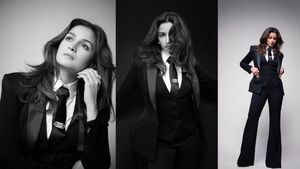 Alia Bhatt Serves Sharp, Subtle Drama in Gaurav Gupta’s Black Three-Piece Tuxedo
 -
 Boss Lady By Zlaata: Workwear That Made Confidence Visible
 -
 These 6 Seemingly Harmless Lifestyle Habits May Be Increasing Your Colorectal Cancer Risk
 -
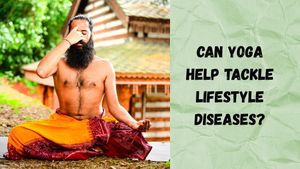 World Health Day 2026: Grand Master Akshar Explains How Yoga Can Help Manage Diabetes and Hypertension


Choosing The Meditation Style That Suits You Best


There are nine popular types of meditation practice that are widely recognized and practiced. They are mindfulness meditation, spiritual meditation, focused meditation, movement meditation, mantra meditation, transcendental meditation, progressive relaxation, loving-kindness meditation and visualization meditation. You require, for each of these techniques, suitable skills, aptitude and attitude.
To know which one of these is right for you, you need to check if you feel comfortable with a particular meditation practice and feel inclined to do it.
1. Mindfulness Meditation
Mindfulness is a by-product of Buddhist ideology and the most popular form of meditation practiced in the west. Focussing on your thoughts as they pass through, is otherwise known as mindfulness style of meditation, where you are involved with the thoughts. You simply observe the thought patterns. Awareness is the key element that should be combined with focus and attention on the object while you observe your internal mechanisms of heart and mind.This meditation style suits those who have no one to teach them and have to practice it alone.
2. Spiritual Meditation
Connecting with the universal consciousness is the mainstay of this meditation practice. Examples include Hindu meditation or Dhyan, Christian prayer, and Jewish kabbalistic practices. Usually done at home or in a temple, this method is for those inclined to spiritual pursuits.
3. Focused Meditation
This is all about focusing on some anchor using any of the five senses. Counting rosaries, listening to the bell chime, pranayama is some of the methods to practice this meditation. At the outset, it seems impossible to retain focus even for a minute or two. But with practice you can overcome this drawback. When the mind wanders, all that you need to do is to refocus. This exercise is ideally for those wanting to improve their focus and attention.
4. Loving-kindness Meditation
Love and kindness are not only humane values, but are also a mode of prayer and sadhana that takes years to master. Give and take love, and then send it to every body in this world including all living beings. Those who find it hard to hold on to resentment or feelings of intense hatred, can try this method to rid themselves of unnecessary stress.
5. Visualization meditation
Visualization meditation enhances calm, and peace and it is done by visualizing positive scenes, images, or figures. Imagine a particular scene clearly and use all five senses to fill in the details to the picture. If you want to follow some ones footsteps, you can imagine holding them for their qualities to pass on to you. You can also imagine succeeding at your goals. This is used widely to lighten your mood, subdue the stress and acquire peace. In order to accrue maximum benefits, the experts say that at least 20 minutes should be reserved for this practice which should be done for continuous 100 days. Slowly extend this time from 20 minutes to one hour.
6. Movement Meditation
Movement may include walking, tai chi, qi gong, gardening or any physical activity that involves you to establish a connection with the body at the present. This is for those who want to raise their body awareness.
7. Mantra Meditation
Mantra meditation is common to both Hindu and Buddhist traditions. Repetition of a word or phrase, most preferably Aum, is used for chanting purpose in this form of meditation. Regular mantra practice helps you to be alert and be aware at much deeper levels. Some find it hard to concentrate on the breathwork and enjoy the repetitive sounds of a mantra while meditating. This is for no so quiet people who prefer to see the fun element in meditation.
8. Transcendental Meditation
The benefits of TM was discovered Maharishi Mahesh Yogi who taught this to quiet the mind and immerse it in peace and calm. Mantra chanting is done alongside and one has to be trained under a certified TM practitioner. This is for those who want to dive into the spiritual depths.
9. Progressive Relaxation
Body scan meditation, as it is called, this practice is effective in reducing tension in and relaxing the body. Each muscle group has to be slowly tightened and relaxed one at a time in the entire body. This could be practiced before sleeping at night as it reduces stress.
Disclaimer: The information is based on assumptions and information available on the internet and the accuracy or reliability is not guaranteed. Boldsky does not confirm any inputs or information related to the article and our only purpose is to deliver information. Kindly consult the concerned expert before practising or implementing any information and assumption.


 Continue with Google