




 Click it and Unblock the Notifications


Latest Updates
-
 Baisakhi 2026: Date, History, Rituals and Cultural Significance Explained
 -
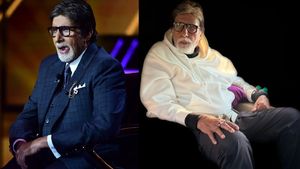 At 83, Amitabh Bachchan Finds Not Working Each Day Disturbing: Why Breaking Routine Triggers Anxiety
 -
 Alia Bhatt Serves Sharp, Subtle Drama in Gaurav Gupta’s Black Three-Piece Tuxedo
 -
 Boss Lady By Zlaata: Workwear That Made Confidence Visible
 -
 These 6 Seemingly Harmless Lifestyle Habits May Be Increasing Your Colorectal Cancer Risk
 -
 World Health Day 2026: Grand Master Akshar Explains How Yoga Can Help Manage Diabetes and Hypertension
 -
 Dal Khichdi Recipe: A Light Comfort Meal Everyone Loves
 -
 From Hashtags to Merch Drops: How Fandom Fashion Became Part of the Story
 -
 ₹1000 Crore and Counting: ‘Dhurandhar 2’ Isn’t Just a Hit, It’s a Box Office Phenomenon
 -
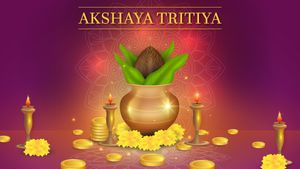 Akshaya Tritiya 2026 Date: April 19 or 20? Know The Right Day To Buy Gold This Year


Nataraja: Story Of Dancing Shiva

Nataraja is a popular figure in Hindu mythology. It is the depiction of Lord Shiva in a dancing pose. The word Nataraja is derived from 'Natya' which means dance and 'Raja' which means King. So, Nataraja basically means King of Dance.
Shiva as Nataraja was first depicted in the Chola bronze statues. Shiva is shown as dancing on an aureole of flames, lifting His left leg and balancing Himself of the demon Apasmara who is a symbol of ignorance. The upper right hand holds a 'dumroo' that stands for the male-female vital principle, the lower shows the gesture of assertion to be without fear.

Lord Shiva is usually associated with destruction and is always depicted in an angry mode. But very few people know that Lord Shiva is a great patron of music and dance. His Nataraja avatar is a message that ignorance can only be overcome by knowledge, music and dance.
Let us take a look at the story of Nataraja or the dancing Shiva.
Apasmara & Nataraja
Apasmara was a dwarf who represented ignorance and epilepsy. In order to preserve knowledge in the world, Apasmara could not be killed. To do so would throw out the balance of knowledge and ignorance, as to kill Apasmara would mean attaining knowledge without effort, dedication and hard work. Hence, Apasmara grew extremely arrogant of his powers and went on to challenge Lord Shiva. It was then that Lord Shiva took the form of Nataraja and performed the famous Tandava or the dance of destruction, eventually crushing Apasmara under His feet.
Symbolism Of Nataraja
Dancing, in Indian culture has been seen as a way to unite with the Creator. Shiva's dance is a symbol of being one with God through the divine act of dancing. This cosmic dance of Shiva is called 'Anandatandava,' meaning the Dance of Bliss, and symbolizes the cosmic cycles of creation and destruction. It also symbolises the daily rhythm of birth and death.
Thus, Lord Shiva in the form of Nataraja takes away the ignorance from our minds through the divine act of dance.


 Continue with Google