




 Click it and Unblock the Notifications


Latest Updates
-
 Akshaya Tritiya 2026 Date: April 19 or 20? Know The Right Day To Buy Gold This Year
 -
 From Water Fights to Egg Games: Unique Easter Monday Traditions Explained
 -
 South Indian Perfect Texture Coconut Chutney Recipe
 -
 Horoscope for Today April 06, 2026 - Practical Steps Bring Calm Progress
 -
 Chana Masala Recipe: Experience Dhaba Style Authentic Taste
 -
 Struggling With Oily Skin This Summer? Simple Tips to Keep Shine Under Control
 -
 Garlic Bread Recipe: The Cheesy Bakery Style Trick You Need
 -
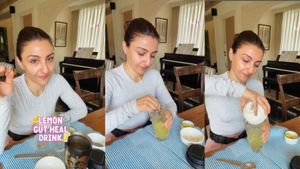 Soha Ali Khan Swears By This ‘Gentle Game-Changer’ Lemon Drink for Gut Health: Full Recipe Inside
 -
 World Health Day 2026: You’re Not As Healthy As You Think—Here’s Why
 -
 One Pot Easy Lunch Recipe: Flavorful Veg Pulao


Lovology


Falling in love causes the body to release certain chemicals that trigger specific physical reactions, as told by Loyola University Health System love guru Domeena Renshaw. "Falling in love causes our body to release a flood of feel-good chemicals that trigger specific physical reactions. This internal elixir of love is responsible for making our cheeks flush, our palms sweat and our hearts race," said Dr. Domeena Renshaw, author of Seven Weeks to Better Sex.
The feeling of love increases the levels of dopamine, adrenaline and norepinephrine. Dopamine is responsible for the pitter patter of the heart, restlessness and overall preoccupation that go along with experiencing love. MRI scans have also revealed that love lightens up the pleasure center of the brain. This is the same area responsible for drug addiction and Obsessive-compulsive disorder.
"Love lowers serotonin levels, which is common in people with obsessive compulsive disorders. This may explain why we concentrate on little other than our partner during the early stages of a relationship," said Renshaw. However, she also declares that the physical response to love is not a very good thing.
"The phrase 'love is blind' is a valid notion, because we tend to idealize our partner and see only things that we want to see in the early stages of the relationship. Outsiders have a much more objective and rational perspective on the partnership than the two people involved do," said Renshaw.
The three phases of love includes, lust, attraction and attachment. While lust is hormone driven, attraction causes the blood to flow to the pleasure driven area of our brain, leading to a fixation with the person involved. The attraction fades by the attachment phase, when the body develops tolerance for the pleasure stimulants.
Various hormones like Endorphins, vasopressin and oxytocin flood the body at this phase creating an overall sense of well-being and security. This is required for a long lasting relationship.
AGENCIES


 Continue with Google