




 Click it and Unblock the Notifications


Latest Updates
-
 At 83, Amitabh Bachchan Finds Not Working Each Day Disturbing: Why Breaking Routine Triggers Anxiety
 -
 Alia Bhatt Serves Sharp, Subtle Drama in Gaurav Gupta’s Black Three-Piece Tuxedo
 -
 Boss Lady By Zlaata: Workwear That Made Confidence Visible
 -
 These 6 Seemingly Harmless Lifestyle Habits May Be Increasing Your Colorectal Cancer Risk
 -
 World Health Day 2026: Grand Master Akshar Explains How Yoga Can Help Manage Diabetes and Hypertension
 -
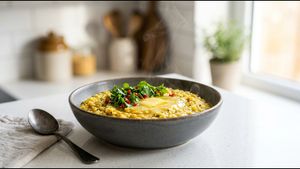 Dal Khichdi Recipe: A Light Comfort Meal Everyone Loves
 -
 From Hashtags to Merch Drops: How Fandom Fashion Became Part of the Story
 -
 ₹1000 Crore and Counting: ‘Dhurandhar 2’ Isn’t Just a Hit, It’s a Box Office Phenomenon
 -
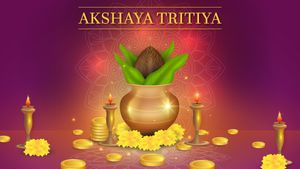 Akshaya Tritiya 2026 Date: April 19 or 20? Know The Right Day To Buy Gold This Year
 -
 From Water Fights to Egg Games: Unique Easter Monday Traditions Explained


Pregnancy Myths vs Facts: You Should Eat For Two When Pregnant: But Should You Really?

There is no doubt that pregnancy is an exciting time for many women, but it is also filled with a great deal of uncertainty and confusion. You may have heard all sorts of myths about pregnancy that can be overwhelming and misleading. One such myth is that pregnant women should "eat for two".

That is, women should consume double the amount of food they normally would. But how scientifically accurate is this? Let's check out the reality.
Should Pregnant Women Eat For Two?
The idea behind this myth is that pregnant women should double their food intake in order to support the growing fetus. This is simply not true. Pregnant women do need to increase their food intake, but only by about 300-500 extra calories per day, which is far from the amount needed to "eat for two" [1].
Eating too much during pregnancy can have negative effects on both mother and baby. It can increase the risk of gestational diabetes and excessive weight gain, both of which can lead to a higher risk of complications during delivery. Additionally, overeating can lead to higher levels of fat in the baby's bloodstream, which can cause health problems for the baby later in life [2].

Excessive weight gain during pregnancy can also lead to the baby being born too large, which can increase the risk of shoulder dystocia and other birthing injuries. Additionally, too much weight gain can cause the mother to develop hypertension and preeclampsia, both of which can be life-threatening.
Do you need to eat more when pregnant?
Not really. Eating a balanced diet is key to ensuring a healthy pregnancy. Women should focus on eating nutrient-rich foods and maintaining a healthy weight throughout their pregnancy.
It is important for pregnant women to make sure they are getting enough nutrients to support the growing fetus, but they should not overdo it [3]. Eating a healthy, balanced diet with plenty of fruits, vegetables, whole grains, and lean proteins is the best way to ensure that both mother and baby are healthy and happy.

On A Final Note...
It is important to remember that pregnant women should not "eat for two". Eating a healthy, balanced diet is the best way to ensure both mother and baby stay healthy and safe during pregnancy.


 Continue with Google