




 Click it and Unblock the Notifications


Latest Updates
-
 Happy Easter 2026 Wishes: Top 50+ Messages, Status, Captions And Posts To Share With Family And Friends
 -
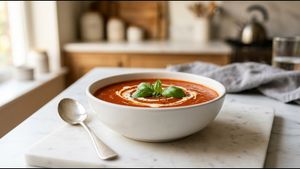 Comfort Style Creamy Blend Tomato Soup Recipe
 -
 Rashmika Mandanna’s “Now It’s Us Three” Post Sparks Speculation Ahead of Anime Awards 2026 Return
 -
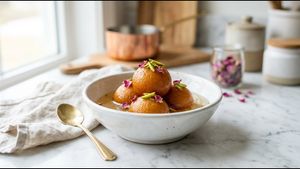 The Softest Ever Homemade Gulab Jamun Recipe
 -
 Where To Eat This Easter 2026: From Chef-Led Experiences To Traditional Feasts Across India
 -
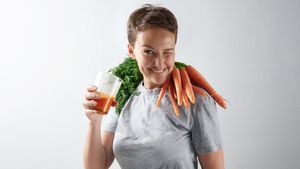 International Carrot Day 2026: The Hydrating, Skin-Loving Vegetable To Eat More This Summer
 -
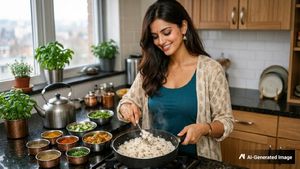 Fluffy Jeera Rice Every Time: The Simple Trick You Need To Know
 -
 Parveen Babi 72nd Birth Anniversary: When A Modern, Unapologetic Style Icon Took Over Bollywood
 -
 5.8 Magnitude Earthquake In Afghanistan Sends Tremors To Delhi: Why Deep Quakes Travel Across Borders
 -
 How to Avoid Getting Sick When Moving Between Heat and AC


9 Important Nutrition Tips For New Mothers

Mother's Day is celebrated on the second Sunday of May every year - by the majority of the countries around the world. While the dates vary every year, Mother's Day 2021 is celebrated on 9 May.
The day honours motherhood and maternal binds, celebrating the role mothers play in society. It is believed that the modern Mother's Day celebration first began in the US and was founded by Anna Jarvis.
Today, we will check out some important nutrition tips for new mothers.
Nutrition Tips For New Mothers
After delivery, it is important that new mothers change their diet accordingly because your pregnancy diet may not work for you after the delivery. While good nutrition is important for everyone, it is a tad bit more important for new moms who are recovering from pregnancy, labour and delivery [1].
When you're a mother, whether you have a newborn or a toddler, you're naturally busy and tired. Studies on new mothers have shown that there are a couple of nutrition challenges that new moms commonly face. Firstly, they simply forget to eat or eat enough; the other reason is that any eating they do has to happen quickly and easily, so consuming high quality, nutrient-dense food is not always ensured [2][3].

So, here are some nutrition tips new mothers should consider.
Tip 1: Add fish to your diet. Seafood is a healthy source of protein that also provides you with essential omega-3 fatty acids. Consume low-mercury seafood such as salmon, catfish, tilapia, cod, shrimp, crab and squid two to three times a week [4].
Tip 2: Eat milk-making foods. Foods such as oatmeal chickpea, dark green vegetables, and almonds all have properties that support milk production and your overall health [5].
Tip 3: Stay hydrated. As you will be breastfeeding, it is important to keep yourself hydrated. So, make sure to drink plenty of fluids (that are not high in sugar) and try to drink eight glasses of water [6]. It is safe to include different liquids such as milkshakes, lassi, soups, coconut water, and fresh fruit juices, but avoid cold drinks as it may cause gas.
Tip 4: Eat calorie-rich foods: Breastfeeding and making breast milk uses up a lot of energy. So, experts say that a new mother should take in about 500 extra calories a day [7]. Some healthy options of calorie-rich foods are nuts and nut butter, potatoes, brown rice, salmon and other oily fish etc.
Tip 5: Maintain a well-balanced diet. Although it may seem like a Himalayan task, try to eat at least three full meals along with a variety of healthy foods and snacks each day. If not three full meals, try for six small meals [8]. Eat vegetables at two or three meals per day.
Tip 6: Take your vitamins. Your doctor may prescribe prenatal vitamins if you have any vitamin deficiency [9]. However, you should keep in mind that vitamins cannot replace a healthy diet.
Tip 7: Do not diet. A common concern among new mothers is the need to lose pregnancy weight. However, you shouldn't start a diet program too soon if you're breastfeeding.
Tip 8: Choose healthy snacks when the cravings hit, such as whole, fresh fruit, nuts, fresh vegetables, cottage cheese and whole-grain crackers.
Tip 9: Avoid or limit certain foods. If there is a history of food allergies, eczema, or asthma in your family, talk to your doctor. Some foods such as dairy products, peanuts, or shellfish that you should put off eating to prevent diarrhoea, colic-like symptoms, rashes, and allergic reactions in your baby [10].
Safe Foods For New Moms
New mothers can consume the following foods without a worry:
- Meats
- Beans
- Vegetables (especially leafy green vegetables)
- Fruits or 100 per cent fruit juice (not fruit drinks)
- Bread, cereals and grains
- Milk, cheese and eggs
- Seafood
- Soy products
Limit packaged, processed foods and drinks that are high in salt, saturated fat, and extra sugars.
On A Final Note...
There is no need for a strict diet after your pregnancy and delivery. However, make sure you eat healthily and meet the calorie-need.


 Continue with Google