




 Click it and Unblock the Notifications


Latest Updates
-
 Akshaya Tritiya 2026 Date: April 19 or 20? Know The Right Day To Buy Gold This Year
 -
 From Water Fights to Egg Games: Unique Easter Monday Traditions Explained
 -
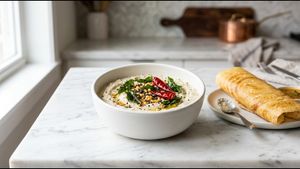 South Indian Perfect Texture Coconut Chutney Recipe
 -
 Horoscope for Today April 06, 2026 - Practical Steps Bring Calm Progress
 -
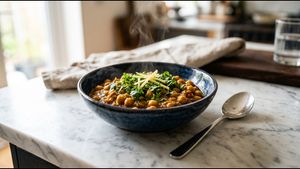 Chana Masala Recipe: Experience Dhaba Style Authentic Taste
 -
 Struggling With Oily Skin This Summer? Simple Tips to Keep Shine Under Control
 -
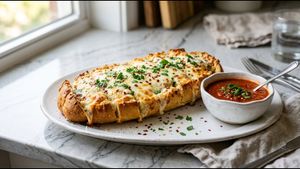 Garlic Bread Recipe: The Cheesy Bakery Style Trick You Need
 -
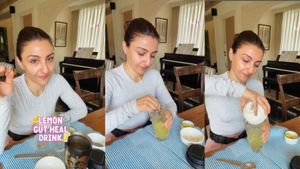 Soha Ali Khan Swears By This ‘Gentle Game-Changer’ Lemon Drink for Gut Health: Full Recipe Inside
 -
 World Health Day 2026: You’re Not As Healthy As You Think—Here’s Why
 -
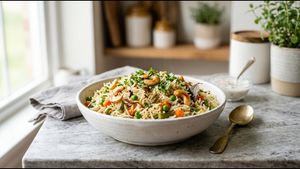 One Pot Easy Lunch Recipe: Flavorful Veg Pulao


Do's And Don't Of Postpartum Bleeding

After childbirth, everyone is mostly concentrating on the child’s health and proper breastfeeding techniques. We just seem to forget that another major issue to light up is post-partum bleeding, which is extremely heavy and often ignored.
Postpartum bleeding is painful and causes extreme discomfort. Endless hours of waiting can often be worsened by heavy postpartum bleeding. Profound emotional and physical changes that a lady is going through are often heightened by discomfort caused by prolonged periods which drain you of a lot of energy.
The two most important nutrients lost during postpartum bleeding are iron and calcium. We lose high levels of iron and calcium during this bleeding and thus, it becomes extremely important to replenish these deficiencies through food.
There is no better way to replenish them than foods rich in these minerals. Our body has the ability to absorb only a small portion of iron from the foods we eat. Hence, it implies that in case our diet does not include enough food with iron, then we might end up anaemic. For people who enjoy non-vegetarian food, iron can be retained from the following foods:

- Chicken liver
- Oysters
- Beef
- Clams
- Halibut
- Turkey
- Tuna
- Chicken breast
- Pork
- Shrimps
It is easier for meat eaters to replenish their iron deficits as it is easier to digest than plant iron as it is harder to process. But worry not ladies, there is plenty of vegetarian food that contains a substantial amount of iron. Few of the iron-rich foods are:

- Cereals
- Oatmeal
- Soybeans
- Lentils
- Kidney beans
- Black beans
- Tofu
- Spinach
- Black-eyed peas
- Raisins
- White bread
Post-pregnancy generally we tend to restrict our diet to lose weight and this often leads to weakened bones due to a lack of calcium. Thus it becomes essential to add some calcium-rich foods to our diet. Some of the foods that taste good and complete the need for calcium in the body are:

- Eggs
- Yoghurt
- Milk
- Cheese
- Tofu
- Fish
- Spinach
- Turnips
- Beets
Adequate fluid intake is also as important as any other nutritional need. Young mothers lose fluid in lactation as well as bleeding, so it’s important to save ourselves from dehydrating. So ladies catch up on your fluid deficiencies before you feel the punch.
Another important need is catching some warm sunshine to refill our reserves of vitamin D, as it is good and healthy to have some reserve of vitamin D. In addition to this avoid cold or extremely warm food and water as they aggravate the bleeding and also cause heartburn. Take regular meals at proper intervals to feel relieved.
It is not wrong to be wanting to return to your pre-pregnancy body, but should not be done at the cost of one’s health. So, all new mothers must be careful and cautious about their body needs and health and, recover themselves of lost nutrients before losing those extra pounds. Follow the aforementioned tips and eat healthily, and remember it's alright to gain a few extra kilos as they can be easily lost later.


 Continue with Google