




 Click it and Unblock the Notifications


Latest Updates
-
 International Tea Day 2026: Here's What Drinking Tea First Thing In The Morning Does To Your Gut
 -
 Horoscope for Today May 21, 2026 - Curiosity Rises, Plans Shift
 -
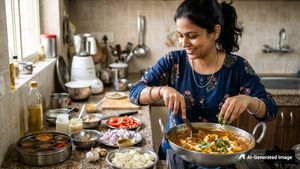 Paneer Lababdar Recipe: Creamy Restaurant-Style Curry Made Easy
 -
 Mouni Roy’s Cannes 2026 Patola Gown Took 300 Hours To Craft — The Story Of Gujarat’s GI-Tagged Weave
 -
 Bread Pizza Recipe: Your Instant Snack Hack
 -
 India's Hottest City Hit 47.6°C Today — This Is What Heatstroke Looks Like
 -
 Exclusive: Rubina Dilaik Said Yes To The Ward In Seconds: Here's The Raw Truth Behind Why
 -
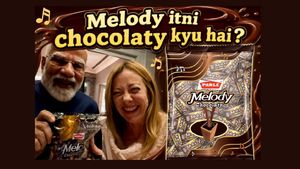 PM Modi Turns Viral ‘Melodi’ Nickname Real With Melody Gift To Meloni, Inside India’s Iconic Toffee Origin
 -
 Superglue, A Potato, A Plastic Bag: The Dangerous DIY Contraception Cases That Shocked Doctors
 -
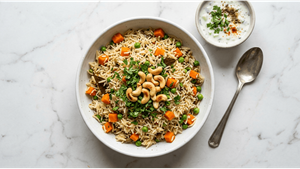 One Pot Easy Meal: Delicious Veg Pulav Recipe


Diwali Rangoli And it's Significance


Rangoli is a necessity of this festival because it is believed that on this occasion, Goddess Laxmi comes at everyone's home and blesses them with prosperity. It is also believed that rangoli, invites all the positive powers into the house and drives away all the evil, which resides in our heart.
Rangoli Colours
Traditionally, natural ingredients are used to make Diwali rangoli. Products like rice flour, dried flowers, dried leaves etc are used to make beautiful rangoli. The purpose of using natural ingredients is to provide food to all the tiny insects like ants etc. They too are creations of God and should not be ignored. This act teaches us to maintain equality.
Rangoli demands the use of every colour, as each colour depicts good feelings. Red is the colour of celebration, blue and white is for peace, yellow is the colour of the halo around the Goddess's head, Pink is for sweet feelings, Green is for nature etc.
Traditional Design of Diwali Rangoli
The traditional design of Diwali rangoli is footprints made of rice flour, which, heralds the arrival of Goddess Laxmi into the house. This design is made in front of all the doors of the house. An impression of Goddess Laxmi is made on the entrance of the house with a Lotus flower. Keeping this as the basic theme of rangoli, beautiful designs are made.
Drawing a rangoli is a skill, which is generally mastered by women of Indian households and is known by different names in different regions. In Bengal, it is called, 'Alpona', in Kerela it is called, 'Pookalam' and in Uttar Pradesh it is called the 'Chowkpurana'. The meaning and significance of it, however, remains the same.

 Continue with Google