




 Click it and Unblock the Notifications


Latest Updates
-
 Varada Chaturthi 2026: Significance, Puja Timings, Rituals And Why Devotees Avoid Seeing The Moon
 -
 Is Your Mango Safe To Eat? Seven Warning Signs To Check Before You Bite
 -
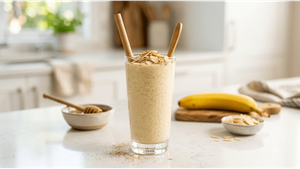 Your Quick Energy Drink: The Ultimate Banana Shake Recipe
 -
 Horoscope for Today May 20, 2026 - Calm Energy, Steady Progress for All Signs
 -
 Spicy Home Style Chicken Masala Recipe: Your New Favorite Dinner
 -
 Who Is Abhijeet Dipke? The Man Behind India's Viral Cockroach Janta Party
 -
 BC Khanduri, Former Uttarakhand CM and Army Veteran, Passes Away at 91
 -
 "Maa, Mujhe Yahan Se Lene Aa Jao": She Begged To Come Home, Nobody Came
 -
 Nachos Recipe: Your Go-To Crunchy Party Snack
 -
 Hacks 101: How To Save Your Makeup When It Starts to Melt


Do You Fear Rejection? That’s The Key To Look Good!


When your friends invite you for an informal lunch or get together, do you feel that you look less dressed up than them? Unknowingly, you must have a brooding in your mind that they have accomplished so many things in their lives than you. Interestingly, you may overlook their true caliber and attribute the credit to their good looks.
Overall women showed greater sensitivity to appearance rejection than did men. It was particularly true of women who felt they needed to look attractive in order to be accepted by their peers. The rejection based appearance sensitivity is more visible among college students and middle-aged women.
Men and women, who had internalized media ideals of attractiveness, had higher levels of appearance-based rejection sensitivity than did their peers. Peer and media influences, rather than parental influence, play a key role in appearance-based rejection sensitivity. W hen people feel pressure to look attractive, whether from their friends or the media, they may be putting themselves at risk for experiencing negative outcomes that may limit their development and enjoyment of life in many ways.
Appearance-based rejection sensitivity is related to negative mental and physical health outcomes, such as feeling unattractive, feeling badly about oneself when comparing one's appearance with others, feeling lonely and rejected when thinking about disliked aspects of one's appearance, and showing increased risk for eating disorders. This will also affect controlling for people's self-esteem, self-perceived attractiveness and sensitivity to rejection in general.
The findings of the study were published in the spring edition of Psychology of Women Quarterly, a publication of the American Psychological Association.

 Continue with Google