




 Click it and Unblock the Notifications


Latest Updates
-
 Akshaya Tritiya 2026 Date: April 19 or 20? Know The Right Day To Buy Gold This Year
 -
 From Water Fights to Egg Games: Unique Easter Monday Traditions Explained
 -
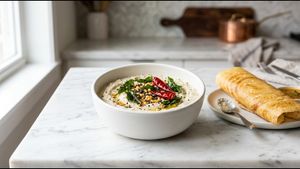 South Indian Perfect Texture Coconut Chutney Recipe
 -
 Horoscope for Today April 06, 2026 - Practical Steps Bring Calm Progress
 -
 Chana Masala Recipe: Experience Dhaba Style Authentic Taste
 -
 Struggling With Oily Skin This Summer? Simple Tips to Keep Shine Under Control
 -
 Garlic Bread Recipe: The Cheesy Bakery Style Trick You Need
 -
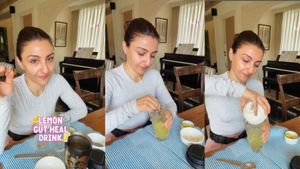 Soha Ali Khan Swears By This ‘Gentle Game-Changer’ Lemon Drink for Gut Health: Full Recipe Inside
 -
 World Health Day 2026: You’re Not As Healthy As You Think—Here’s Why
 -
 One Pot Easy Lunch Recipe: Flavorful Veg Pulao


Indian Classical Dance: Manipuri

The Indian classical dance style, Manipuri is one of the most beautiful dance styles of India, nurtured in the mountanious region of northeast. It opted its name from the name of the area Manipur, which means jewel of a land. Manipuri is an inherent part of the rituals of daily life such as weddings and homage to ancestors in that area.
There is a beautiful legend that relates the dance form to its birthplace. It is widely believed that the Gods had drained a lake in a beautiful countryside, in order to find a place to dance. Thus was the origin of Manipur and the dance style came to an esteemed position as Manipuri.
Manipuri dance was initially performed only in temples as any other Indian classical dance. It is only since the early 20th century that Manipuri dance has been presented on stage with
the encouragement of Rabindranath Tagore. Unlike many other dance forms, Manipuri has retained its ancient ritual based dances and folk dances along with the later developed classical Manipuri dance style. cal Manipuri dance style.
The main expression of Manipuri is devotional in nature. It is exclusively attached to Hindu deities Radha and Krishna, who are the main characters in Manipuri dances. There are a number of forms in Manipuri. These are the Rasa Lila, the Pung Cholom, Nupa Cholom, Thoibi and a host of others. Among these, Rasa Lila is a highly evolved dance drama, choreographed on 'Vaishnavite Padavalis', composed by mainly eminent Bengali poets and some Manipuri Gurus.
The major attraction of Manipuri dance style is the beautiful costumes of the dancers. The long and flared embroidered skirts from the waist, translucent veils, and long peacock feather crown add radiant appearance to this dance.
The Manipuri dance embodies delicate, lyrical and graceful movements. In contrast to the other Indian classical dance forms, the dancer's feet should never strike the ground hard and their facial expressions should be subtle in Manipuri.
The musical accompaniment for Manipuri dance comes from a musical instrument called Pung, a singer, small cymbals, a stringed instrument called pena and a wind instrument called flute. The drummers will also perform an accompanied dance called Pung Cholom while drumming for Manipuri.
Manipuri dance has a quite distinct history and style from other Indian classical dance forms. Manipuri dance developed its own specific aesthetics, values, conventions and ethics at a geographically isolated region . This unique quality sets it exceptional from all other art forms.


 Continue with Google