




 Click it and Unblock the Notifications


Latest Updates
-
 Horoscope for Today April 06, 2026 - Practical Steps Bring Calm Progress
 -
 Chana Masala Recipe: Experience Dhaba Style Authentic Taste
 -
 Struggling With Oily Skin This Summer? Simple Tips to Keep Shine Under Control
 -
 Garlic Bread Recipe: The Cheesy Bakery Style Trick You Need
 -
 Soha Ali Khan Swears By This ‘Gentle Game-Changer’ Lemon Drink for Gut Health: Full Recipe Inside
 -
 World Health Day 2026: You’re Not As Healthy As You Think—Here’s Why
 -
 One Pot Easy Lunch Recipe: Flavorful Veg Pulao
 -
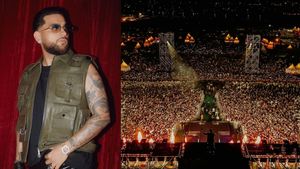 Karan Aujla India Tour Controversy: Lucknow and Ludhiana Shows Cancelled—What Went Wrong?
 -
 Kissing Disease Linked to 3x Higher Risk of Multiple Sclerosis: What You Should Know
 -
 Feeling Drained in the Heat? 10 Healthy Drinks to Sip This Summer


A Knight's Skeleton Reveals Historical Secrets


The skeleton is one of 10 skeletons that were excavated from the site of a lost royal chapel at the castle. It is believed that the knight could have been killed during Scotland's Wars of Independence with England in the 13th Century. The skeleton of a woman was also found near the knight.
The origin of the knight is not clear. He could have been a Scot, an Englishman or even a French.
Professor Sue Black from Dundee University, who is leading the investigation, to find out more about the warrior's life and death will be featured in BBC in Two's History Cold Case series on May 20th.
The facial reconstruction gave a "powerful impression" of what the knight may have looked like.
"He was a very strong and fit nobleman, with the physique of a professional rugby player, who would have been trained since boyhood to handle heavy swords and other weapons and who would have spent a great deal of time on horseback," said an historian.
Historic Scotland, has announced that it would commission further research to find out more about the other 10 skeletons, which includes two infants. The skeletons date back to 13th to 15th Centuries.


 Continue with Google