




 Click it and Unblock the Notifications


Latest Updates
-
 Chana Masala Recipe: Experience Dhaba Style Authentic Taste
 -
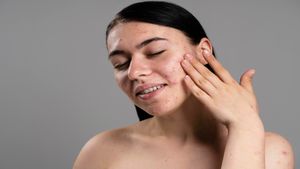 Struggling With Oily Skin This Summer? Simple Tips to Keep Shine Under Control
 -
 Garlic Bread Recipe: The Cheesy Bakery Style Trick You Need
 -
 Soha Ali Khan Swears By This ‘Gentle Game-Changer’ Lemon Drink for Gut Health: Full Recipe Inside
 -
 World Health Day 2026: You’re Not As Healthy As You Think—Here’s Why
 -
 One Pot Easy Lunch Recipe: Flavorful Veg Pulao
 -
 Karan Aujla India Tour Controversy: Lucknow and Ludhiana Shows Cancelled—What Went Wrong?
 -
 Kissing Disease Linked to 3x Higher Risk of Multiple Sclerosis: What You Should Know
 -
 Feeling Drained in the Heat? 10 Healthy Drinks to Sip This Summer
 -
 Happy Birthday Rashmika Mandanna: Steal Her White Looks For Easter 2026 Festive Parties And Celebrations


Ever Wondered Why You Blush? Here's The Science Behind Your Rosy Coloured Cheeks!

Ah, blushing - that charming, involuntary reaction that turns our cheeks into a canvas of embarrassment or delight, making us resemble human mood rings. It's the body's way of spilling the beans on our internal emotional rollercoaster, leaving us exposed in a flush of pink.
But have you ever wondered about the science behind this rosy phenomenon? Let's embark on a journey into the blush zone, where cheeks turn redder than a tomato on your plate.

What Makes Us Blush?
Blushing is a spontaneous, uncontrollable action that mostly occurs in response to embarrassment or social anxiety.
Behind every blushing episode is a duo of dynamic forces - blood and betrayal (or rather, perceived embarrassment). When we find ourselves in situations that trigger embarrassment, anxiety, or even admiration, our nervous system kicks into high gear. The sympathetic nervous system, not to be confused with your sympathetic friend who hands you tissues during rom-coms, signals blood vessels in the face to dilate.
When we're in a situation that makes us blush, adrenaline is released, causing our blood vessels to widen. This process, known as vasodilation, allows more blood to flow through our skin, particularly the face, causing that characteristic reddening or 'blushing'.
Now, here's where the magic (or rather, the awkwardness) happens. The increased blood flow rushes to the cheeks, giving them that telltale red hue. It's essentially the body's way of saying, "Look at me! I'm feeling something, and it's written all over my face." So, whether you're caught in a social faux pas or receiving a compliment that feels like a surprise party, your cheeks are bound to spill the beans.
Is Blushing Just Skin-Deep?
While blushing might seem like just a skin-deep response, it's far more than that. It's not just about the blood rushing to your face. It's also about the communication between your brain and your body.
It's about how your brain interprets a situation, how it sends signals to your body to react, and how your body responds to these signals. Therefore, blushing can be seen as a barometer of emotional sensitivity and not merely a cosmetic occurrence.
Why Do Some People Blush More Than Others?
Why do some people turn tomato-red at the slightest embarrassment while others can sail through the most embarrassing situations without a hint of red on their cheeks?
The answer lies in our physiological makeup. Some people have a more sensitive autonomic nervous system, which causes them to respond more intensely to certain situations. Moreover, individual skin tones and the thickness of skin can also influence the visibility of blushing.
So, next time you find yourself blushing, don't hide it. Embrace it. It's a sign that you're human, that you're capable of feeling emotions deeply. It's a reflection of your empathy, your sensitivity, and your vulnerability. The physiology of blushing is a reminder of the complex yet beautiful interplay between our brains, our bodies and our emotions. So, let's celebrate blushing—the most human of all reactions!


 Continue with Google