




 Click it and Unblock the Notifications


Latest Updates
-
 Horoscope for Today April 05, 2026 - Small Choices Guide Calm Momentum
 -
 Happy Easter 2026 Wishes: Top 50+ Messages, Status, Captions And Posts To Share With Family And Friends
 -
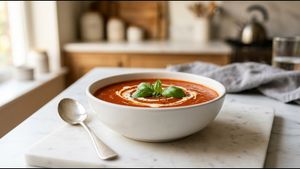 Comfort Style Creamy Blend Tomato Soup Recipe
 -
 Rashmika Mandanna’s “Now It’s Us Three” Post Sparks Speculation Ahead of Anime Awards 2026 Return
 -
 The Softest Ever Homemade Gulab Jamun Recipe
 -
 Where To Eat This Easter 2026: From Chef-Led Experiences To Traditional Feasts Across India
 -
 International Carrot Day 2026: The Hydrating, Skin-Loving Vegetable To Eat More This Summer
 -
 Fluffy Jeera Rice Every Time: The Simple Trick You Need To Know
 -
 Parveen Babi 72nd Birth Anniversary: When A Modern, Unapologetic Style Icon Took Over Bollywood
 -
 5.8 Magnitude Earthquake In Afghanistan Sends Tremors To Delhi: Why Deep Quakes Travel Across Borders


Coronavirus: How To Maintain A Healthy Diet During Self-Quarantine

Everyday eating habits say a lot about your health. The key to a healthy diet is the right count of calories which we take to keep a balance of the consumed energy and the used energy People are isolated in their houses and chances are, they may shift to unhealthy diets during the period. Their calories intake count may increase and the energy utilisation may decrease causing weight gain. Also, it may expose people to the risk of chronic diseases and low immunity.

Maintaining healthy eating habits is not as hard as it seems during the isolation period. By introducing small changes in your daily diet, you can make a big impact on your health. Take a look at a few healthy tips which you can incorporate in your life while you are at home.
1. Avoid Eating Sugary Foods
Consuming foods or drinks which are high in sugar may increase the risk of obesity, diabetes and cavities. This is because they are high in calories and energy and can contribute to weight gain and high glucose levels in the body if the energy is not utilised properly. As the physical workouts have been lowered due to the lockdown, it is better to consume less sugary products. [1]
2. Eat Foods That Are Good For Your Metabolism
Researchers say that when you eat heavy meals at a time, due to the time gap between the two meals the metabolism gets slow. Having smaller meals after every three or four hours is considered a good way to keep up your metabolism which helps to burn more calories in a day.
3. Eat Slowly
Slow eating helps in better digestion, easier weight loss and greater satiety. When we eat slowly, we chew more which promotes easy digestion of the foods when they reach the stomach. Also, we get a feeling of satisfaction after each meal which helps us eat less and lose weight easily. [2]
4. Cut Back On Oils Or Saturated Fats
Saturated fats tend to increase bad cholesterol in our body and increase the risk of coronary artery disease or heart diseases. Men are recommended to take around 30 g and women 20 g of saturated fats a day. Therefore, cutting down on foods like butter, sausages, biscuits and pies is the best option for a healthy body.
5. Reduce Sodium Intake
Too much of salt or sodium in foods can increase the risk of high blood pressure which can further lead to stroke or heart diseases. Avoid market-based salty products like chips and fast foods as they contain more salt content. The Institute of Medicine suggests 1.5 gm of salt per day for a healthy body. [3]
6. Opt For Whole Grains
Whole-grain foods like oatmeal, quinoa, brown rice and whole-wheat bread are great options for a healthy body as they are gluten-free as well as rich in nutrients like iron, manganese, selenium and dietary fibre. They help with digestion and make you feel full for longer thus, helping with weight management.
7. Drink More Water
Water is the healthiest drink of all. It helps flush out toxins from the body and keep your body hydrated for long. Deficiency of water in the water can lead to tiredness and headaches. Therefore, it is a good choice to drink water and stay fuller and healthy.
8. Control Portion Size
The good way to eat less and stay healthy is by eating in smaller plates. Choosing a small plate can trick your brain to think that you are eating more compared to large plates with the same portion. Many studies suggest that people tend to eat more than 30% when they are served in larger plates or bigger bowls. [4]
9. Increase Protein Intake
Foods with are rich in protein helps manage your appetite and take in fewer calories by giving a feeling of fullness. Consume foods like greek yoghurt, fish, seeds, quinoa and legumes to get the benefits of protein and other nutrients as well without an increase in your weight.
10. Eat More Fruits And Vegetables
According to the WHO, fruits and vegetables lower the risk of heart diseases, diabetes, obesity and many types of cancer. They are packed with antioxidants, vitamins and minerals that provide required nutrients to the body. Try to include at least one fruit and green vegetable in your meal every day. [5]
Other Important Guidelines
- Drink fat-free or low-fat milk.
- Opt for lean protein foods like chicken breast.
- Don't miss out on seafood as they are rich in omega-3 fatty acids.
- Keep a check on your calories every day.
- Skip frying and bake or roast your foods.
- Replace sugary beverages with fruit juices.
- Try to eat home-cooked foods rather than ordering from outside.
- Get a soundless goodnight sleep
- Stay active by doing your favourite activities at home.
- Avoid emotional eating or eating when you are sad, lonely or bored.
- Never skip the breakfast
- Don't forget to add a salad to every meal.
Disclaimer: The information provided in this article is for general informational and educational purposes only and is not intended as a substitute for professional medical advice, diagnosis, or treatment. Always seek the advice of your physician or a qualified healthcare provider with any questions you may have regarding a medical condition.


 Continue with Google