




 Click it and Unblock the Notifications


Latest Updates
-
 Chana Masala Recipe: Experience Dhaba Style Authentic Taste
 -
 Struggling With Oily Skin This Summer? Simple Tips to Keep Shine Under Control
 -
 Garlic Bread Recipe: The Cheesy Bakery Style Trick You Need
 -
 Soha Ali Khan Swears By This ‘Gentle Game-Changer’ Lemon Drink for Gut Health: Full Recipe Inside
 -
 World Health Day 2026: You’re Not As Healthy As You Think—Here’s Why
 -
 One Pot Easy Lunch Recipe: Flavorful Veg Pulao
 -
 Karan Aujla India Tour Controversy: Lucknow and Ludhiana Shows Cancelled—What Went Wrong?
 -
 Kissing Disease Linked to 3x Higher Risk of Multiple Sclerosis: What You Should Know
 -
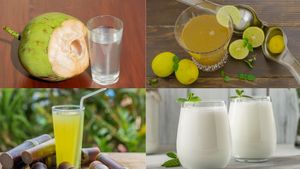 Feeling Drained in the Heat? 10 Healthy Drinks to Sip This Summer
 -
 Happy Birthday Rashmika Mandanna: Steal Her White Looks For Easter 2026 Festive Parties And Celebrations


What Are The Healthy Food For Teenage Girls?

Every year on 24 January, the National Girl Child Day is celebrated to highlight gender-based discriminations and inequalities faced by girl children in the Indian society and to raise awareness to change the attitude towards them followed by providing them support and opportunities.

Among the many issues faced by girl children in India, malnutrition is a major one. A study says that in several low and middle-income countries, the incidences of malnutrition in teenage girls are high, leading them to poor health, nutritional disorders and biological developmental issues. [1]
In this article, we will discuss healthy foods which a teenage girl must include in her diet. Take a look.
1. Iron-rich foods
According to a study, iron deficiency is high in adolescent girls and can affect around 30 per cent of girls in countries with low-income and social development scores. Also, iron deficiency in premature pregnancy can cause adverse birth outcomes. [1]
Iron-rich foods can help prevent the risk of anaemia in teenage girls and promote vital body functions such as growth, immunity, muscular development and cognitive ability. [2] Some of the iron-rich foods include:
- Red meat
- Poultry
- Beans
- Green veggies such as spinach and broccoli
- Seafood
- Iron-fortified cereals
- Dried fruits such as raisins, prunes, dates and cashews
2. Probiotics
Psychiatric disorders are usually observable during the adolescence years. Many studies have concluded that development of the adolescent brain is influenced by intestinal microbiota and thus, maintaining microbiota-gut-brain axis can help in both the prevention and treatment of psychiatric disorders in adolescence, such as anxiety, psychosis and eating disorders. [3]
Probiotics are live microorganisms that help maintain the functionality of the digestive system and keep diseases at bay. Some of the probiotics-rich food include:
- Yoghurt
- Tempeh
- Kafir
- Kimchi
- Kombucha tea
- Buttermilk
- Cucumber pickles
Healthy Bitter Foods That May Help Lower Blood Glucose In Diabetics
3. Fruits
Fruits are one of the most needed food items for teenagers, especially teenage girls. They not only provide amazing health benefits but also prevent the risk of overweight and obesity, which are the major risk factors for chronic diseases such as diabetes.
Some of the healthy fruits include:
- Orange
- Watermelon
- Cucumber
- Lemon
- Apricot
- Papaya
- Avocado
4. Vitamin A
Vitamin A is another important nutrient after iron which is needed for growth and development of adolescent girls. It plays an important role in sexual maturation, reproduction and in boosting immunity, and prevent the risk of skin problems such as acne, wrinkles and psoriasis.
Deficiency of vitamin A during adolescence can cause delayed growth of the reproductive system, skin problems, respiratory illnesses and increased risk of menorrhagia and anaemia. [4] Foods high in vitamin A include:
- Carrot
- Pumpkin
- Sweet potato
- Broccoli
- Dairy products
- Grapefruit
- Capsicums
Is It Safe To Consume Peppermint Tea During Pregnancy?
5. Whole grains
A study talks about whole grains consumption and reduced risk of cardiovascular diseases, cancer and diabetes. Whole grains are the most important part of a teenage diet as they are rich in vital nutrients such as carbohydrates (help provide energy), fibre (maintains a healthy digestive system), protein (support growth and development) and folate (to prevent the risk of anaemia, autism and rheumatoid arthritis).
Whole grains are mostly consumed with cereals in India. Some of the examples of whole grains include:
- Barley
- Quinoa
- Buckwheat
- Corn
- Oats
- Millet
- Brown rice
To Conclude
Poor diet is a key risk factor for malnutrition in teenage girls. This year on the National Girl Child Day, let's pledge to focus on better health and nutrition of teenage girls and help in their biological, psychological and social development.
Disclaimer: The information provided in this article is for general informational and educational purposes only and is not intended as a substitute for professional medical advice, diagnosis, or treatment. Always seek the advice of your physician or a qualified healthcare provider with any questions you may have regarding a medical condition.


 Continue with Google