




 Click it and Unblock the Notifications


Latest Updates
-
 Horoscope for Today April 06, 2026 - Practical Steps Bring Calm Progress
 -
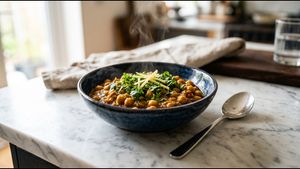 Chana Masala Recipe: Experience Dhaba Style Authentic Taste
 -
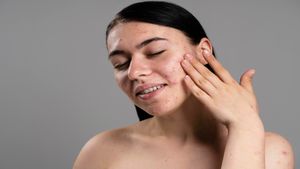 Struggling With Oily Skin This Summer? Simple Tips to Keep Shine Under Control
 -
 Garlic Bread Recipe: The Cheesy Bakery Style Trick You Need
 -
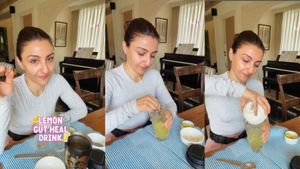 Soha Ali Khan Swears By This ‘Gentle Game-Changer’ Lemon Drink for Gut Health: Full Recipe Inside
 -
 World Health Day 2026: You’re Not As Healthy As You Think—Here’s Why
 -
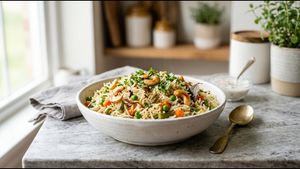 One Pot Easy Lunch Recipe: Flavorful Veg Pulao
 -
 Karan Aujla India Tour Controversy: Lucknow and Ludhiana Shows Cancelled—What Went Wrong?
 -
 Kissing Disease Linked to 3x Higher Risk of Multiple Sclerosis: What You Should Know
 -
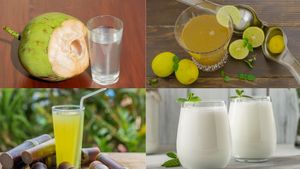 Feeling Drained in the Heat? 10 Healthy Drinks to Sip This Summer


Do You Know How Common Household Disinfectants Can Be Dangerous
A research has found that exposure to antibacterial and antifungal agent found in domestic products like toothpaste, soaps, detergents increases the risk of developing antibiotic resistance.

Exposure to triclosan, an antibacterial and antifungal agent found in domestic products like toothpaste, soaps, detergents, toys etc. may increase the risk of developing antibiotic resistance, a research has warned.
Antibiotic resistance is when bacteria evolve and develop ways to evade the antibiotic drugs, rendering them ineffective.
The findings showed that when some bacteria develop a resistance to quinolones, a group of drugs they also become resistant to triclosan.
The researchers conducted tests on the E.coli bacteria, known as the stomach bug, and found it had mutated to become resistant to quinolones as well as triclosan.

As bacteria become resistant to the use of disinfectants, this in turn increases their ability to resist the drugs.
"We think that bacteria are tricked into thinking they are always under attack and are then primed to deal with other threats, including triclosan," said Mark Webber, senior lecturer at the University of Birmingham.
"This might happen in reverse and triclosan exposure might encourage growth of antibiotic resistant strains," Webber added in the paper published in the Journal of Antimicrobial Chemotherapy.
Since quinolone antibiotics are an important and powerful group of human medicines, a discovery that the use of triclosan can give antimicrobial resistance raises concern, the researchers said.

Triclosan had faced a ban across the European Union and the US for its use in hygiene products (hand, skin and body washes). The US Food and Drug Administration warned that triclosan could contribute to antibiotic resistance.
The concerns raised were that the active antimicrobial ingredients for some of these products are accumulating in the environment where they are altering ecosystems and potentially promoting selection of antibiotic resistant bacteria.
"As we run out of effective drugs, understanding how antibiotic resistance can happen and under what conditions is crucial to stopping selection of more resistant bacteria," Webber said.
With Inputs From IANS
Disclaimer: The information provided in this article is for general informational and educational purposes only and is not intended as a substitute for professional medical advice, diagnosis, or treatment. Always seek the advice of your physician or a qualified healthcare provider with any questions you may have regarding a medical condition.


 Continue with Google