




 Click it and Unblock the Notifications


Latest Updates
-
 Horoscope for Today April 06, 2026 - Practical Steps Bring Calm Progress
 -
 Chana Masala Recipe: Experience Dhaba Style Authentic Taste
 -
 Struggling With Oily Skin This Summer? Simple Tips to Keep Shine Under Control
 -
 Garlic Bread Recipe: The Cheesy Bakery Style Trick You Need
 -
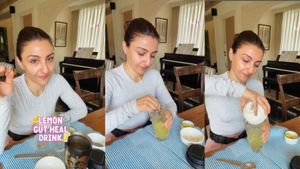 Soha Ali Khan Swears By This ‘Gentle Game-Changer’ Lemon Drink for Gut Health: Full Recipe Inside
 -
 World Health Day 2026: You’re Not As Healthy As You Think—Here’s Why
 -
 One Pot Easy Lunch Recipe: Flavorful Veg Pulao
 -
 Karan Aujla India Tour Controversy: Lucknow and Ludhiana Shows Cancelled—What Went Wrong?
 -
 Kissing Disease Linked to 3x Higher Risk of Multiple Sclerosis: What You Should Know
 -
 Feeling Drained in the Heat? 10 Healthy Drinks to Sip This Summer


Ardha Matsyendrasana for Cervical Pain

Cervical spondylitis, also known as cervical osteoarthritis or neck arthritis, is quite a familiar term these days. You will not be surprised to hear this term from middle school going kids.
In this era of the Internet and smartphones, even kids want their own devices. However, their method of using it is quite wrong. Continuously gazing down, bending their neck, or lying down on the bed can cause health problems, cervical pain being one of them.
Another group of people who suffer from this problem is the desk job people. They keep on sitting in one place, and keep on working for long durations. This also causes cervical pain.
This problem basically affects the discs and joints in your neck. It develops from wear and tear of the cartilage and bones found in your cervical spine. It initially starts with a mild pain, and with age, keeps on increasing.

Other factors responsible for cervical pain are:
- Neck injuries
- Heavy weight lifting
- Keeping your neck in one direction for a long duration
- Repetitive stress
- Genetic disorders
- Smoking
- Obesity
- Laziness
One can get relief from cervical pain by practising yoga. Ardha Matsyendrasana helps in this regard. The name comes from the Sanskrit words ardha which means "half", matsya which means "fish", eendra which means "king", and asana which means "posture" or "seat".
Step-By-Step Procedure To Perform The Asana
Step 1: Keep your legs straight and sit with your legs stretched, with your feet together and spine absolutely erect.
Step 2: Bend your left leg and keep the left heel beside your right hip.
Step 3: Get your right leg over your left knee.
Step 4: Keep your left hand over your right knee and your right hand should be behind you.

Step 5: Just twist your waist, neck and shoulder towards the opposite side from which you begun the pose.
Step 6: Look backwards in the same direction.
Step 7: Keep your spine erect.
Step 8: Stay in this position for at least 60 seconds or for as long as you feel comfortable initially.
Step 9: Now exhale and release your back hand first, followed by your waist and finally your neck.
Step 10: Sit straight for a while and then get up.
Step 11: Repeat the same with the other foot.
Other Benefits
Tones the spinal ligaments and joints and improves the body's flexibility.
Caution
If you have undergone any kind of surgery, please consult your doctor or an expert before performing this asana.
Disclaimer: The information provided in this article is for general informational and educational purposes only and is not intended as a substitute for professional medical advice, diagnosis, or treatment. Always seek the advice of your physician or a qualified healthcare provider with any questions you may have regarding a medical condition.


 Continue with Google