




 Click it and Unblock the Notifications


Latest Updates
-
 Back to Work, But Not Fully There: The Reality of Post-Viral Brain Fog
 -
 Throwback Thursday: Jaya Bachchan Turns 78 – 5 Iconic Roles That Captured A Woman’s Strength And Spirit
 -
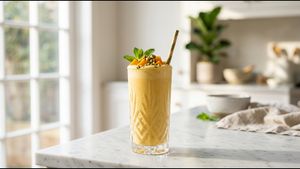 Summer Special Energy Boost: The Ultimate Mango Milkshake Recipe
 -
 Horoscope for Today April 09, 2026 - Steady Progress from Mindful Choices
 -
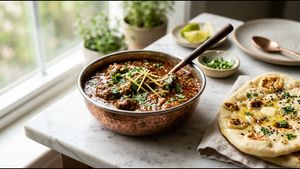 Thick Masala Restaurant Style Mutton Gravy Recipe
 -
 Thinking of Getting Inked? Here’s What The Expert Wants You To Know
 -
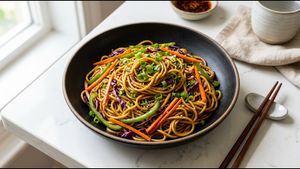 Hakka Noodles Recipe: Master the Street Style Wok Toss Trick
 -
 Celeb Beauty Routine: No 10-Step Routine—Udne Ki Aasha Lead Neha Harsora Keeps It Simple
 -
 “Prevention Is the Real Cure”: Key Takeaways from BoldSky’s World Health Day Panel
 -
 Veg Sandwich Recipe: Your Quick Filling Lunch Idea


Gallstone Formation Common In Obese Children - Part 1


Gallbladder is a small accessory digestive organ that stores bile until the body uses it for fat digestion. When needed, this bile is released into the intestine. Bile is made up of water, fats, salts, proteins, bilirubin, and cholesterol. Gallstones generally form when the bile juice does not leave the gallbladder due to some reason & the cholesterol or bilirubin in it hardens.
Children may present with black/brown pigment, cholesterol, calcium carbonate, or protein-dominant stones. Black pigment stone is the most commonly seen (48%), while the cholesterol stones make up about 21% of stones in this age group.
Several factors increase the risk of gallstone formation in children such as obesity, cystic fibrosis, sickle cell anemia. Also, children who have been on a feeding tube for a long period of time are at a much higher risk of developing gallstones. Gallstones can occur in low weight premature infants who require prolonged hospitalization, intensive supportive care, and multiple medications.
Gallstones in children can form in any age group. Pigment & cholesterol stones are more common in Children. Cholesterol stone formation results when the bile cannot dissolve all of the cholesterol and lets some of it solidify into a stone. This type is often seen in obese children, & in whom family history of gallstones is present. Besides this the incidence of gallstones in children with thalassemia major varies from 2.3% to 23% and increases with age. Almost 20% gallstones in children are asymptomatic and rest includes symptoms such as right upper quadrant or epigastric pain with or without nausea, vomiting and fat intolerance, Non-specific abdominal pain and acute abdomen due to acute cholecystitis, pancreatitis or cholangitis.
Disclaimer: The information provided in this article is for general informational and educational purposes only and is not intended as a substitute for professional medical advice, diagnosis, or treatment. Always seek the advice of your physician or a qualified healthcare provider with any questions you may have regarding a medical condition.


 Continue with Google