




 Click it and Unblock the Notifications


Latest Updates
-
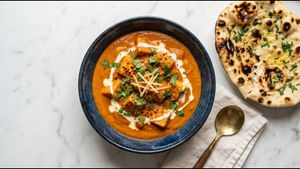 Paneer Lababdar Recipe: Indulge in Restaurant Style Rich Gravy
 -
 Meet Prachi Nigam: Former Board Topper Scores 91.2% In Class 12, Once Trolled For Facial Hair On Social Media
 -
 The Emerging Aroma Of Home: How Living Rooms Are Evolving Past Clean Linen And Fresh Cotton Fragrances
 -
 Hacks 101: 8 Simple Tricks To Stay Sweat-Proof All Day
 -
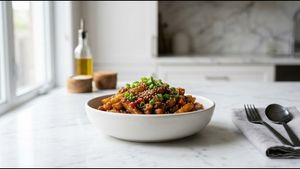 Chilli Potato Recipe: A Crispy Indo Chinese Twist
 -
 India’s Nutrition Paradox: Why ‘Healthy Eating’ Isn’t Fixing Deficiencies
 -
 Can Drinking Less Water Increase Uric Acid and Trigger Kidney Stones? Expert Shares Warning Signs
 -
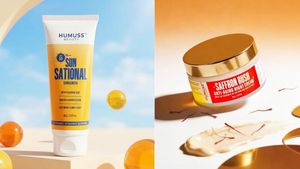 Humuss Sunscreen & Night Cream Review: My Honest Take On These Vegan Skincare Must-Haves For Summer
 -
 Remembering Asha Bhosle Through Her Favourite Sol Kadhi Recipe, A Refreshing Summer Drink To Try At Home
 -
 A Child Is Dead After Eating Pani-Puri In Jharkhand — And It's A Warning For Every Parent This Summer


Check If Your Food Is Adulterated


Here are some facts from a study by Punjab Agriculture University (PAU) that found that leaves were adulterated with addition of used leaves while spices like chillies and turmeric powder were adulterated to impart brightness in color and good appearance. Take a look at the food stuffs that can be termed as adulterated.
1. Leaves (other than dried, ground and mixed with), not every good as they may be sprayed with chemical fertilizers.
2. Metanil yellow, a carcinogenic agent is used for coloring turmeric powder
Effects Of Eating Adulterated Food -
1. A balanced diet containing all the nutrients is essential for proper functioning of body but adulteration could affect nutrients.
2. Adulterated food could cause physical ailments as well, the study said.
Others:
1. The study found that butter is adulterated with oleomargarine, a product of beef fat and lard is also added to butter.
2. Root of chicory is common adulterant in coffee and supplemented by peas, beans and roasted ground wheat.
3. Mixing of infested and damaged grains to good quality grain are quite common in our country. Mustard seeds are often mixed with argemone seeds and extracted together while palm oil is mixed with soybean oil.
4. Soybean, groundnut milk, wheat flour are mixed with milk and addition of wheat flour semolina to milk powder is common. Urea, detergents and refined oil are mixed with milk.
Disclaimer: The information provided in this article is for general informational and educational purposes only and is not intended as a substitute for professional medical advice, diagnosis, or treatment. Always seek the advice of your physician or a qualified healthcare provider with any questions you may have regarding a medical condition.

 Continue with Google