




 Click it and Unblock the Notifications


Latest Updates
-
 Is Your Mango Safe To Eat? Seven Warning Signs To Check Before You Bite
 -
 Your Quick Energy Drink: The Ultimate Banana Shake Recipe
 -
 Horoscope for Today May 20, 2026 - Calm Energy, Steady Progress for All Signs
 -
 Spicy Home Style Chicken Masala Recipe: Your New Favorite Dinner
 -
 Who Is Abhijeet Dipke? The Man Behind India's Viral Cockroach Janta Party
 -
 BC Khanduri, Former Uttarakhand CM and Army Veteran, Passes Away at 91
 -
 "Maa, Mujhe Yahan Se Lene Aa Jao": She Begged To Come Home, Nobody Came
 -
 Nachos Recipe: Your Go-To Crunchy Party Snack
 -
 Hacks 101: How To Save Your Makeup When It Starts to Melt
 -
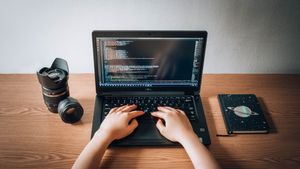 Always Online, Always Exhausted: Expert Explains The Mental Wellness Cost Of Digital Work Culture


Staring Too Long? How Excessive Screen Time Quietly Damages Women's Eyes And Hormonal Balance

Your eyes are itchy, your head aches, and you can't sleep well-sound familiar? For most modern women, screen fatigue is now as routine as applying lip balm.
Whether you're managing Zoom calls, editing on your phone, or bingeing late-night shows, the blue light pouring out of screens is doing more than just tiring you out-it may be throwing your whole system off balance.

While screen fatigue affects everyone, studies show that women are more susceptible to both the visual and systemic effects. It's not just a tech burnout problem-it's also hormonal, psychological, and very physical.
Here's how it silently creeps in and what you should be looking out for.
1. Dry Eyes Hit Women Harder Than Men
Women, especially those on hormonal birth control or going through menopause, are more prone to dry eyes. Add to that screen time and your tear film can't keep up. The long, unblinking hours in front of a screen reduce blinking rate, further drying out your eyes and causing irritation.
This isn't just uncomfortable-it can trigger inflammation, blurred vision, and even infections if left unaddressed.

2. Blue Light Disrupts Women's Sleep Cycles More
Melatonin is the hormone that controls your sleep-wake cycle, and women's bodies are more sensitive to disruptions in melatonin production. Blue light from phones and laptops suppresses melatonin more intensely, delaying sleep and shortening deep sleep stages.
If you find yourself doom-scrolling at midnight and waking up groggy, the light isn't harmless-it's hijacking your body clock.
3. Hormonal Imbalance May Be Exacerbated By Excess Screen Use
Constant digital exposure can impact cortisol levels, leading to increased stress and even menstrual irregularities. Women already juggling multitasking and emotional labor are prone to higher stress markers, and long hours online amplify it.
In some cases, hormonal issues like PCOS or thyroid imbalances can be triggered or worsened by constant tech use, especially when screen time replaces physical activity.

4. Headaches And Migraines Aren't Just Stress
Women are three times more likely to suffer migraines than men, and prolonged screen exposure can be a major trigger. The combination of harsh lighting, screen glare, and long focus sessions overstimulates the optic nerve and brain's visual cortex.
If you're getting recurring headaches during work hours or right after, it might be a red flag that your digital hygiene needs immediate attention.
5. Eye Bags And Premature Ageing Around The Eyes
The skin around the eyes is delicate, and constant squinting at screens can lead to dark circles, puffiness, and wrinkles. Lack of sleep due to screen use worsens these issues. Women tend to use more makeup around the eyes, which also means more rubbing and irritation after a long screen-heavy day.
It's not vanity-it's about noticing how your lifestyle is literally showing up on your face.
6. Mental Fatigue Can Mimic Vision Problems
Ever feel like your eyesight is deteriorating but your eye test says otherwise? You might be experiencing mental fatigue from over-screening. Women are more likely to experience brain fog and visual processing delays from constant multitasking online.
This creates a loop where mental exhaustion causes eye strain, and eye strain worsens mental exhaustion.
7. Hormonal Screensavers: What Can You Do?
No, you don't need to quit your job or throw away your phone. But you do need tech boundaries. Use the 20-20-20 rule: every 20 minutes, look 20 feet away for 20 seconds. Add blue light filters or screen shields.
Take intentional screen breaks, especially after 9 PM, to reset your sleep cycle. Most importantly, be mindful-track how your eyes feel and how your cycle responds during peak screen weeks. Your body is constantly telling you when it's had enough.
Women's relationship with screens is layered-equal parts necessary and harmful. But ignoring what your body is signalling, especially your eyes and hormones, can have long-term consequences. The strain is not just optical-it's systemic.
By staying aware and making small changes, you can protect your health while staying digitally connected.

 Continue with Google