




 Click it and Unblock the Notifications


Latest Updates
-
 Happy Birthday Rashmika Mandanna: Steal Her White Looks For Easter 2026 Festive Parties And Celebrations
 -
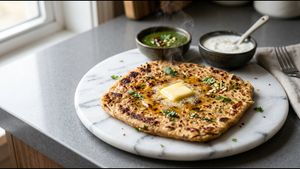 Paneer Paratha Recipe: Crispy Outside, Soft Inside Perfection
 -
 Horoscope for Today April 05, 2026 - Small Choices Guide Calm Momentum
 -
 Happy Easter 2026 Wishes: Top 50+ Messages, Status, Captions And Posts To Share With Family And Friends
 -
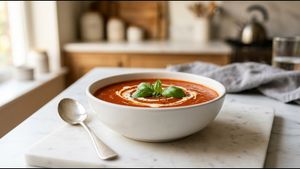 Comfort Style Creamy Blend Tomato Soup Recipe
 -
 Rashmika Mandanna’s “Now It’s Us Three” Post Sparks Speculation Ahead of Anime Awards 2026 Return
 -
 The Softest Ever Homemade Gulab Jamun Recipe
 -
 Where To Eat This Easter 2026: From Chef-Led Experiences To Traditional Feasts Across India
 -
 International Carrot Day 2026: The Hydrating, Skin-Loving Vegetable To Eat More This Summer
 -
 Fluffy Jeera Rice Every Time: The Simple Trick You Need To Know


Are Indian Snacks Healthy? Check Out These Low Glycemic Index Snacks You Can Eat Without Guilt!
Indian snacks are appreciated for their multiplicity, flavor, and aromatic tastes. They have a significant nutritional content, with a focus on their Glycemic Index (GI). The GI measures how food affects blood glucose levels. Many Indian snacks have high GI values, whereas some have relatively lower GI. Understanding the GI of your favourite snacks can help make healthier diet choices, promoting the concept of moderation and balance, rather than exclusion.

Indian snacks are cherished for their diversity, taste, and aromatic flavours that are deeply rooted in regional cultures and traditions. But what often slips under the radar is their nutritional content, particularly the Glycemic Index (GI).
GI measures how quickly a carbohydrate-containing food raises blood sugar levels. In this article, we'll explore some popular Indian snacks and their GI values - and whether they are safe for a diabetic!

Glycemic Index and its Significance
The Glycemic Index measures how a particular food affects blood glucose levels. Foods with low GI values are digested slower and thus provide a steady release of glucose into the bloodstream.
Popular Indian Snacks and their GI
Several Indian snacks have high GI values. For instance, Indian bread (chapati) has a GI of 62, while the popular street food 'pani puri' has a GI of around 70.
- Poha (Flattened Rice): GI: 65 (Medium)
- Idli (Steamed Rice Cake): GI: 85 (High)
- Dosa (Rice and Lentil Pancake): GI: 60 (Medium)
- Samosa (Deep-fried Pastry filled with Potatoes and Spices): GI: 94 (High)
- Chaat (Various Snack Dishes with Spices and Chutneys):GI: Varies (Depends on ingredients)
- Bhel Puri (Puffed Rice Snack): GI: 67 (Medium)
- Dhokla (Steamed Chickpea Flour Cake): GI: 33 (Low)
- Kachori (Deep-fried Pastry with Lentil Filling): GI: 78 (High)
- Upma (Semolina Porridge): GI: 75 (High)
- Chivda (Flattened Rice Snack): GI: 87 (High)

Fat and Fiber Content Impact
The fat and fibre content in these delicacies can also influence their Glycemic Index. Fibre-rich foods like lentils have a lower GI, while foods fried in oil, even if they are carbohydrate-based, can have a lower GI.
Balancing High and Low GI Foods
It's not necessary to totally eliminate high-GI foods from your diet. Balance is the key. Pairing them with low-GI foods can slow down the overall blood glucose response.
On A Final Note...
While many popular Indian snacks have high GI values, it's important to remember that the overall impact on your blood sugar depends on portion size and what you eat alongside them.

If you have diabetes or are concerned about blood sugar levels, consider moderation and pairing high-GI snacks with foods that have a lower GI, such as vegetables or lean protein.
Always consult with a healthcare provider or a registered dietitian for personalized dietary recommendations.
Disclaimer: GI values can vary based on factors like preparation methods and ingredient proportions. The values mentioned here are approximate and may not apply to all variations of these snacks.


 Continue with Google