




 Click it and Unblock the Notifications


Latest Updates
-
 Happy Birthday Rashmika Mandanna: Steal Her White Looks For Easter 2026 Festive Parties And Celebrations
 -
 Paneer Paratha Recipe: Crispy Outside, Soft Inside Perfection
 -
 Horoscope for Today April 05, 2026 - Small Choices Guide Calm Momentum
 -
 Happy Easter 2026 Wishes: Top 50+ Messages, Status, Captions And Posts To Share With Family And Friends
 -
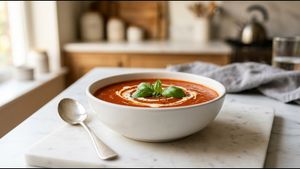 Comfort Style Creamy Blend Tomato Soup Recipe
 -
 Rashmika Mandanna’s “Now It’s Us Three” Post Sparks Speculation Ahead of Anime Awards 2026 Return
 -
 The Softest Ever Homemade Gulab Jamun Recipe
 -
 Where To Eat This Easter 2026: From Chef-Led Experiences To Traditional Feasts Across India
 -
 International Carrot Day 2026: The Hydrating, Skin-Loving Vegetable To Eat More This Summer
 -
 Fluffy Jeera Rice Every Time: The Simple Trick You Need To Know


Four Benefits Of Adding Millet To Your Kids' Diet

As one of the oldest cultivated cereal grains, millet has been grown and consumed throughout Southeast Asia and Africa for thousands of years. It is a highly nutritious cereal grain that belongs to the Poaceae family. It is one of the most widely consumed millets in India. Millets are free of gluten and rich in essential vitamins and minerals that contribute to their many health benefits.
There are several millet crops grown in India, including Jowar (sorghum), Bajra (pearl millet), Ragi (finger millet), Little millet, Kodo millet, Foxtail millet, Proso millet, and Barnyard millet.

In addition to being nutritionally superior, these grains are also rich in antioxidants, fibre, and vitamins, making them considered nutri- cereals [1][2].
Benefits Of Adding Millet To Your Kids' Diet
As a dietary fiber source, millet is rich in both soluble and insoluble fiber. It is thought that the insoluble fiber in millet is a prebiotic, which means that it helps to maintain good bacteria in the digestive tract. In addition to adding bulk to your stools, this type of fiber also reduces your risk of colon cancer and keeps you regular [3].
Millet is gluten-free, nutritious, easily digestible, and a less allergenic grain, and is suitable for children of all ages. It can be consumed as a delicious finger food (puffs, cookies, cutlets, etc) or as a part of a main meal (khichdi, dosa, idlis, etc.).
Millet is also very versatile, enabling it to be utilized for a variety of daily tiffin recipes. It contains a variety of essential nutrients for a child's growth and development on a daily basis.

Here are the benefits of adding millet to your kids' diet.
1. Good for the digestive system
In addition to providing 15-20 per cent of dietary fiber to children, millets are a good source of prebiotic fibers which promote the growth of healthy gut bacteria. In addition to being gluten-free, acid-free, and easily digestible, they are ideal for children to consume [4].
2. Combats malnutrition/gaps in daily nutrition
As a major staple in diverse balanced diets for children, millet will help address the growing concern of malnutrition. Nutrition remains a critical factor in the growth and development of children at critical stages of their lives. Millet can help address nutritional deficiencies in these stages, which can hinder children's overall development and physical development [5].
3. A high source of protein
Due to the fact that millets do not lose protein during cooking, they are beneficial for muscle development and growth in children [6].

4. High in smart cabs and low in simple sugars
Since millet has a relatively low glycaemic index, it has been shown to cause lower blood sugar levels than wheat or rice, thus preventing childhood obesity [7].
On A Final Note...
The different varieties of millet have slightly different appearances, but they all have the same health benefits. As millet is gluten-free and non-allergenic, it is generally considered to be a safe food to consume, especially for young children.
Disclaimer: The information provided in this article is for general informational and educational purposes only and is not intended as a substitute for professional medical advice, diagnosis, or treatment. Always seek the advice of your physician or a qualified healthcare provider with any questions you may have regarding a medical condition.


 Continue with Google