




 Click it and Unblock the Notifications


Latest Updates
-
 Paneer Lababdar Recipe: Creamy Restaurant-Style Curry Made Easy
 -
 Mouni Roy’s Cannes 2026 Patola Gown Took 300 Hours To Craft — The Story Of Gujarat’s GI-Tagged Weave
 -
 Bread Pizza Recipe: Your Instant Snack Hack
 -
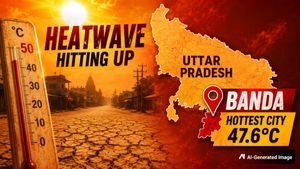 India's Hottest City Hit 47.6°C Today — This Is What Heatstroke Looks Like
 -
 Exclusive: Rubina Dilaik Said Yes To The Ward In Seconds: Here's The Raw Truth Behind Why
 -
 PM Modi Turns Viral ‘Melodi’ Nickname Real With Melody Gift To Meloni, Inside India’s Iconic Toffee Origin
 -
 Superglue, A Potato, A Plastic Bag: The Dangerous DIY Contraception Cases That Shocked Doctors
 -
 One Pot Easy Meal: Delicious Veg Pulav Recipe
 -
 'Melodi' Moment Breaks The Internet: PM Modi Meets Giorgia Meloni In Rome, Colosseum Diplomacy Explained
 -
 Remembering Bipin Chandra Pal On His 94th Death Anniversary With 10 Bold Quotes On Swaraj And Identity


Myths vs Facts: Can Cold Weather Make You Sick?

It is often thought that the cold can make you sick, but is it really true? The common misconception is that cold temperatures cause illness, but this is not always the case. In fact, cold temperatures can't actually make you sick. Viruses, not cold weather, are responsible for colds and other illnesses.

How do I put it, yeah, it's like trying to blame bad luck for a losing streak in a casino game. The odds and probability of success may be against you, but the games themselves are not actually making you lose.
Confused? Let's take a better look at this.
Can Cold Weather Make You Sick?
The age-old question remains: Is it really true that cold weather can make you sick? To answer this question, a brief review of the facts is in order.
First, it's important to understand that cold weather alone cannot make you sick. Instead, what really makes you sick is being exposed to viruses and bacteria that are more prevalent in colder temperatures. In fact, the cold, dry air during the winter months actually helps reduce the spread of germs due to the fact that the air is less hospitable to the viruses and bacteria [1].
For example, the dry winter air keeps the virus particles from staying in the air longer, which helps reduce the risk of transmitting it from person to person.

Further, while it's true that the cold weather can weaken your immune system, this doesn't mean that you're more likely to catch a cold or flu. Instead, it simply means that you may have a harder time fighting off an infection should you be exposed to a virus or bacteria [2].
This is because the cold weather causes the mucous membranes in your nose and throat to become dry, which makes it easier for viruses and bacteria to enter your body and cause an infection.
The good news is that it is possible to protect yourself from getting sick during the winter months. The key is to practice good hygiene, such as washing your hands regularly, and avoid sharing any items with someone who is already sick [3]. Additionally, it's important to get plenty of rest, eat a healthy diet, and exercise regularly, as these can all help boost your immune system.

On A Final Note...
While cold weather cannot directly make you sick, it can create an environment that is more conducive to the spread of germs.
Therefore, you should take the necessary steps to protect yourself from getting sick, such as practicing good hygiene and boosting your immune system through diet and exercise.
Disclaimer: The information provided in this article is for general informational and educational purposes only and is not intended as a substitute for professional medical advice, diagnosis, or treatment. Always seek the advice of your physician or a qualified healthcare provider with any questions you may have regarding a medical condition.

 Continue with Google