




 Click it and Unblock the Notifications


Latest Updates
-
 Horoscope for Today April 05, 2026 - Small Choices Guide Calm Momentum
 -
 Happy Easter 2026 Wishes: Top 50+ Messages, Status, Captions And Posts To Share With Family And Friends
 -
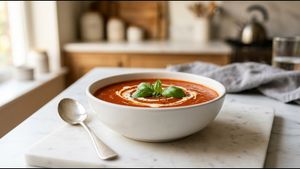 Comfort Style Creamy Blend Tomato Soup Recipe
 -
 Rashmika Mandanna’s “Now It’s Us Three” Post Sparks Speculation Ahead of Anime Awards 2026 Return
 -
 The Softest Ever Homemade Gulab Jamun Recipe
 -
 Where To Eat This Easter 2026: From Chef-Led Experiences To Traditional Feasts Across India
 -
 International Carrot Day 2026: The Hydrating, Skin-Loving Vegetable To Eat More This Summer
 -
 Fluffy Jeera Rice Every Time: The Simple Trick You Need To Know
 -
 Parveen Babi 72nd Birth Anniversary: When A Modern, Unapologetic Style Icon Took Over Bollywood
 -
 5.8 Magnitude Earthquake In Afghanistan Sends Tremors To Delhi: Why Deep Quakes Travel Across Borders


Japanese Diet To Prevent Fatty Liver Disease

Fatty liver disease is a common condition that can affect people of all ages and can lead to more serious health problems. In a recent study, the Japanese diet was found to be capable of slowing the progression of fatty liver disease - especially three main foods [1].

In India, fatty liver disease is a growing concern due to the prevalence of unhealthy lifestyle habits such as obesity, physical inactivity, poor dietary habits, and alcohol consumption. In addition, certain medications, such as steroids, can also increase the risk of fatty liver disease.
All About The Japanese Diet
The Japanese diet is characterised by high intakes of vegetables, rice, fish, and seaweed, and low intakes of animal proteins and fats. The Japanese diet consists of 12 foods and food groups such as rice, miso soup, pickles, soy products, green and yellow vegetables, fruits, seafood, mushrooms, seaweed, green tea, coffee and beef and pork [2].
The Japanese diet is also high in fibre and low in saturated fat, which is thought to be beneficial for reducing the progression of fatty liver disease. As such, it is important for individuals in India to focus on maintaining a healthy lifestyle in order to reduce the risk of developing fatty liver disease.
Japanese Diet For Fatty Liver Disease
One of the most effective methods of managing fatty liver disease is to make changes to your diet. The study found that soy foods, seafood, and seaweed were most strongly associated with slowing the progression of fibrosis of the liver [3].

Here are some tips to help you get started on a Japanese diet to control and manage fatty liver disease [4].
1. Increase your intake of healthy fats. Fatty liver disease is linked to high levels of unhealthy fats in the body, so it's important to focus on eating healthy fats. Choose foods like olive oil, avocado, nuts, and fatty fish like salmon and tuna.
2. Reduce your consumption of simple carbs. Simple carbs like white bread and sugary snacks can increase your risk of fatty liver disease. To reduce your risk, focus on limiting these types of foods and replacing them with complex carbs like whole grains and legumes.
3. Eat more plant-based foods. Eating more plant-based foods can help reduce the risk of fatty liver disease. Incorporate more vegetables, fruits, legumes, and whole grains into your diet. These foods are high in fibre and other nutrients and can help reduce inflammation in the body.
4. Include fermented foods in your diet. Fermented foods like miso, natto, and kimchi are rich in probiotics that can help reduce inflammation in the body. They also contain beneficial enzymes and other nutrients that can help protect your liver.

5. Drink green tea. Green tea is high in antioxidants that can help protect your liver. Aim to drink two to three cups a day.
On A Final Note...
Changes to your diet are an important part of managing fatty liver disease. Include more soy foods, seafood, and seaweed in your diet to slow down the progression of the disease.
Disclaimer: The information provided in this article is for general informational and educational purposes only and is not intended as a substitute for professional medical advice, diagnosis, or treatment. Always seek the advice of your physician or a qualified healthcare provider with any questions you may have regarding a medical condition.


 Continue with Google