




 Click it and Unblock the Notifications


Latest Updates
-
 Horoscope for Today April 05, 2026 - Small Choices Guide Calm Momentum
 -
 Happy Easter 2026 Wishes: Top 50+ Messages, Status, Captions And Posts To Share With Family And Friends
 -
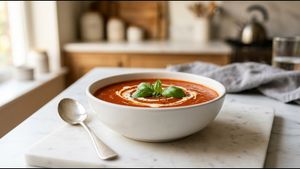 Comfort Style Creamy Blend Tomato Soup Recipe
 -
 Rashmika Mandanna’s “Now It’s Us Three” Post Sparks Speculation Ahead of Anime Awards 2026 Return
 -
 The Softest Ever Homemade Gulab Jamun Recipe
 -
 Where To Eat This Easter 2026: From Chef-Led Experiences To Traditional Feasts Across India
 -
 International Carrot Day 2026: The Hydrating, Skin-Loving Vegetable To Eat More This Summer
 -
 Fluffy Jeera Rice Every Time: The Simple Trick You Need To Know
 -
 Parveen Babi 72nd Birth Anniversary: When A Modern, Unapologetic Style Icon Took Over Bollywood
 -
 5.8 Magnitude Earthquake In Afghanistan Sends Tremors To Delhi: Why Deep Quakes Travel Across Borders


How To Take Care Of Yourself During Your Period

Understanding your menstrual cycle is crucial for taking care of yourself during your period. It typically lasts for 28 days and involves the shedding of the uterine lining, resulting in bleeding that can last from three to seven days.

Maintaining proper hygiene
Maintaining proper hygiene is essential during menstruation. Change your sanitary pad or tampon every four to six hours to prevent bacterial growth. Wash your genital area with mild soap and water regularly, avoiding scented products that may cause irritation.
Eating a balanced diet
Eating a balanced diet plays a significant role in managing period symptoms. Include foods rich in iron, such as leafy greens, lentils, and red meat, to combat fatigue caused by blood loss. Consume vitamin-rich fruits like oranges and bananas to boost energy levels.
Staying hydrated
Staying hydrated helps alleviate bloating and reduces water retention commonly experienced during periods. Drink at least eight glasses of water daily. Herbal teas like chamomile or ginger tea can also provide relief from cramps.

Exercising regularly
Regular exercise can help reduce menstrual pain and improve your mood. Engage in low-impact activities like walking, yoga, or swimming. These exercises increase blood circulation, release endorphins, and alleviate cramps.
Managing stress levels
Managing stress levels is crucial during menstruation as it can worsen symptoms. Practice relaxation techniques such as deep breathing exercises or meditation. Engage in activities that bring you joy to reduce stress and promote overall well-being.
Getting enough sleep
Getting enough sleep is vital for your overall health during your period. Aim for seven to eight hours of quality sleep each night to help regulate hormonal balance and reduce fatigue, mood swings, and irritability.

Seeking medical advice when needed
If you experience severe pain or abnormal symptoms during your period that disrupt your daily life, seek medical advice. A healthcare professional can provide guidance, diagnose any underlying conditions, and suggest appropriate treatment options.
Disclaimer: The information provided in this article is for general informational and educational purposes only and is not intended as a substitute for professional medical advice, diagnosis, or treatment. Always seek the advice of your physician or a qualified healthcare provider with any questions you may have regarding a medical condition.


 Continue with Google