




 Click it and Unblock the Notifications


Latest Updates
-
 Happy Birthday Rashmika Mandanna: Steal Her White Looks For Easter 2026 Festive Parties And Celebrations
 -
 Paneer Paratha Recipe: Crispy Outside, Soft Inside Perfection
 -
 Horoscope for Today April 05, 2026 - Small Choices Guide Calm Momentum
 -
 Happy Easter 2026 Wishes: Top 50+ Messages, Status, Captions And Posts To Share With Family And Friends
 -
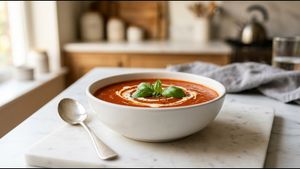 Comfort Style Creamy Blend Tomato Soup Recipe
 -
 Rashmika Mandanna’s “Now It’s Us Three” Post Sparks Speculation Ahead of Anime Awards 2026 Return
 -
 The Softest Ever Homemade Gulab Jamun Recipe
 -
 Where To Eat This Easter 2026: From Chef-Led Experiences To Traditional Feasts Across India
 -
 International Carrot Day 2026: The Hydrating, Skin-Loving Vegetable To Eat More This Summer
 -
 Fluffy Jeera Rice Every Time: The Simple Trick You Need To Know


Experts Warn Against Artificial Colors And Preservatives In Food Products

Colour is a major component in food that increases the appetizing value and consumer acceptance of foods and beverages. More than natural food, food manufacturers are involved in the increased use of synthetic food colours to achieve improved appearance through high colour intensity, more colour stability, uniformity, and low cost.

Colour application is commonly seen in food like beverages, candies, ice cream, sweet mint, breakfast cereals, cakes, and so on. But, they may contain some non-permitted synthetic colours and overuse of permitted synthetic colours. Preservatives are chemicals added to a particular food to inhibit the growth of bacteria, yeasts, and moulds in food items and allow them for longer food storage.
Preservatives or antimicrobial agents play an important role in today's supply of safe and stable foods; however, overuse of preservatives may bring some uninvited diseases, taking a toll on our overall health.
Even though food companies are bound to list the food additives on the product label, along with other ingredients, in descending order by weight, but, studies found that over 60% of the beverages violated the label requirement and didn't include proper colour ingredients.

Use of Artificial Colors and Preservatives in Food Products:
Some of the food dyes approved by the FDA are Erythrosine, allura red, tartrazine, sunset yellow, brilliant blue, and indigo carmine. The consumption of tartrazine and sunset yellow is common among children and is found mainly in beverages, sweetmeats, and fast foods. Similarly, carmoisine and erythrosine are consumed by the intake of confectioneries, jams, and jellies.
Parabens are used for preservation and are commonly found in desserts, beer, soft drinks, jams, processed vegetables, frozen dairy products, and flavouring syrups. Some of the commonly used chemical preservatives include sodium benzoate, butylated benzoic acid, sodium nitrate, sorbic acid, sulfites, etc.

Health Hazards Caused by Overuse of Food Colors:
Overuse of anything is not healthy, and this applies to the use of food colours and preservatives as well. Food dyes cause so many health hazards like attention deficit hyperactivity disorder, various cancers, asthma, and allergies.
While most food dyes don't cause any adverse effects in toxicity studies, there is some concern about possible contaminants in the dyes. These contaminants are used at low levels and are presumed to be safe, and hence are allowed in the dyes.
Although preservatives are essential to maintain food safety, these foods may cause stomach pains, vomiting, breathing problems, hives, and skin rashes besides allergies. Some of the most dangerous additives are benzoates, which can cause skin rashes, asthma, heart difficulties, malignancies, and possibly brain damage.

On A Final Note...
To minimise the risk of developing health problems due to food additives and preservatives, one should avoid foods containing these additives and preservatives. The food additives must be added in regulated quantities, and concentrations and should be within the acceptable daily intakes.
Disclaimer: The information provided in this article is for general informational and educational purposes only and is not intended as a substitute for professional medical advice, diagnosis, or treatment. Always seek the advice of your physician or a qualified healthcare provider with any questions you may have regarding a medical condition.


 Continue with Google