




 Click it and Unblock the Notifications


Latest Updates
-
 Horoscope for Today May 21, 2026 - Curiosity Rises, Plans Shift
 -
 Paneer Lababdar Recipe: Creamy Restaurant-Style Curry Made Easy
 -
 Mouni Roy’s Cannes 2026 Patola Gown Took 300 Hours To Craft — The Story Of Gujarat’s GI-Tagged Weave
 -
 Bread Pizza Recipe: Your Instant Snack Hack
 -
 India's Hottest City Hit 47.6°C Today — This Is What Heatstroke Looks Like
 -
 Exclusive: Rubina Dilaik Said Yes To The Ward In Seconds: Here's The Raw Truth Behind Why
 -
 PM Modi Turns Viral ‘Melodi’ Nickname Real With Melody Gift To Meloni, Inside India’s Iconic Toffee Origin
 -
 Superglue, A Potato, A Plastic Bag: The Dangerous DIY Contraception Cases That Shocked Doctors
 -
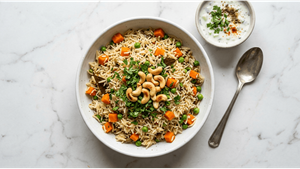 One Pot Easy Meal: Delicious Veg Pulav Recipe
 -
 'Melodi' Moment Breaks The Internet: PM Modi Meets Giorgia Meloni In Rome, Colosseum Diplomacy Explained


Feverfew, An Ordinary Garden Plant That Has Anti-Cancer Compound, Kills Leukaemia Cells: Scientists

Never underestimate the curing power of a common garden flower. It may sound like a miracle but a study conducted by the scientists at the Birmingham University revealed that Feverfew (Tanacetum parthenium) can treat cancer and destroy leukaemia cells. The research indicates that now the plant can be used to develop new drugs to fight against cancer. The research about Feverfew's anti-cancer compound was published in the journal MedChemComm.

About The Research
Feverfew, also known as 'fever reducer' is a medicinal plant used for over a hundred years in treating migraines, fever, and other pains.
Researchers at the University of Birmingham extracted a compound called 'parthenolide' from the leaves of the feverfew plant and engineered the compound for it might be efficient in killing the cancer cells.
Parthenolide has been the subject of investigation for years and the researchers suspected the compound to have an anti-cancer agent. But, the process of compound extraction from the leaves in useful amounts is expensive and tough , as the highest level of parthenolide is found , late in the flowering stage of the plant.
After the compound is extracted from the feverfew plant, it is refined, and converted into a new form, so that it can act as an efficient drug to fight cancer cells. Almost, 76 versions were made out of which eventually one was signaled out with good bioavailability and better pharmacological properties.
After that, the scientists began the trial of the compound against chronic lymphocytic leukaemia (CLL), a type of cancer that occurs in the bone marrow. The experiment was quite successful and was found to be effective as well.
"This research is important not only because we have shown a way of producing parthenolide that could make it much more accessible to researchers, but also because we've been able to improve its 'drug-like' properties to kill cancer cells. It's a clear demonstration that parthenolide has the potential to progress from the flowerbed into the clinic", says John Fossey, who is the corresponding author of the study.
They are looking forward to experiment with the compound in living animals and other humans.
Disclaimer: The information provided in this article is for general informational and educational purposes only and is not intended as a substitute for professional medical advice, diagnosis, or treatment. Always seek the advice of your physician or a qualified healthcare provider with any questions you may have regarding a medical condition.

 Continue with Google