




 Click it and Unblock the Notifications


Latest Updates
-
 Happy Easter 2026 Wishes: Top 50+ Messages, Status, Captions And Posts To Share With Family And Friends
 -
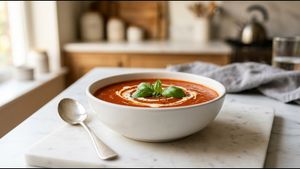 Comfort Style Creamy Blend Tomato Soup Recipe
 -
 Rashmika Mandanna’s “Now It’s Us Three” Post Sparks Speculation Ahead of Anime Awards 2026 Return
 -
 The Softest Ever Homemade Gulab Jamun Recipe
 -
 Where To Eat This Easter 2026: From Chef-Led Experiences To Traditional Feasts Across India
 -
 International Carrot Day 2026: The Hydrating, Skin-Loving Vegetable To Eat More This Summer
 -
 Fluffy Jeera Rice Every Time: The Simple Trick You Need To Know
 -
 Parveen Babi 72nd Birth Anniversary: When A Modern, Unapologetic Style Icon Took Over Bollywood
 -
 5.8 Magnitude Earthquake In Afghanistan Sends Tremors To Delhi: Why Deep Quakes Travel Across Borders
 -
 How to Avoid Getting Sick When Moving Between Heat and AC


World Diabetes Day 2022: Expert Article On Best Diet To Overcome Diabetes

Are you unsure of the menu to choose while dealing with diabetes?
The ADA states that there is no specific diet for treating diabetes; rather, it all depends on how much food we consume, how healthy we feel, and how much energy we have.
You should consume the amount of food that your body requires, but not all foods contain the same nutrients. Therefore, this explains why people choose food types that meet their body's needs.

Know your plate
You need a plate that isn't too big to start with. You should start with a plate that is a reasonable size; we suggest one that measures about 9 inches across since the size of our plates typically dictates the size of our portions.
Always prefer dessert for your bowl out. After finding the right plate try to draw 2 lines. Imagine your plate is divided into three sections by two lines:
Nonstarchy vegetables should make up half of your plate.
Nonstarchy Vegetables are always rich in vitamins, minerals, and fiber. Due to their lower carbohydrate content, nonstarchy vegetables do not significantly increase blood sugar levels. Filling half your plate with nonstarchy vegetables ensures that you get plenty of these nourishing foods.
Here are some examples of nonstarchy vegetables: broccoli, carrots, eggs, green beans, tomatoes, yellow squash, okra, Brussels sprouts, celery, mushrooms, pea pods, spinach, jicama, water chestnuts, onions, salad mixes, Swiss chard, cabbage, bell peppers and hot peppers.

Lean protein foods should account for one-quarter of your plate.
Foods such as fish, chicken, lean beef, soy products, and cheese are all to be known as "protein foods." Lean proteins are healthier options because they contain less fat and saturated fat.
It is advised to consume 5 1/2 ounces of protein-rich food each day. As per the USDA Dietary Guidelines., Food high in protein includes meat, fish, seafood, chicken, eggs, dairy products, Lean deli meats, Lean beef, Lean fork, legumes, Plant-based sea substitutes, nuts, and seeds.
That is not to say that high-protein diets are fine for everyone. You must consider your personal situation and eating habits.

Carbohydrate foods should account for one-quarter of your plate.
Carbohydrate-rich foods include grains, starchy vegetables, beans and legumes, fruit, yogurt, and milk. These foods have the most impact on blood sugar levels. It can be beneficial to keep blood sugar levels from rising too high after meals if you keep your portion of carbohydrates to one-fourth of your plate.
Here are some examples: Dairy products, fruits, dry fruits, brown rice, yogurt, pumpkin, potato, and whole grain products.
Disclaimer: The information provided in this article is for general informational and educational purposes only and is not intended as a substitute for professional medical advice, diagnosis, or treatment. Always seek the advice of your physician or a qualified healthcare provider with any questions you may have regarding a medical condition.


 Continue with Google