




 Click it and Unblock the Notifications


Latest Updates
-
 International Tea Day 2026: Here's What Drinking Tea First Thing In The Morning Does To Your Gut
 -
 Horoscope for Today May 21, 2026 - Curiosity Rises, Plans Shift
 -
 Paneer Lababdar Recipe: Creamy Restaurant-Style Curry Made Easy
 -
 Mouni Roy’s Cannes 2026 Patola Gown Took 300 Hours To Craft — The Story Of Gujarat’s GI-Tagged Weave
 -
 Bread Pizza Recipe: Your Instant Snack Hack
 -
 India's Hottest City Hit 47.6°C Today — This Is What Heatstroke Looks Like
 -
 Exclusive: Rubina Dilaik Said Yes To The Ward In Seconds: Here's The Raw Truth Behind Why
 -
 PM Modi Turns Viral ‘Melodi’ Nickname Real With Melody Gift To Meloni, Inside India’s Iconic Toffee Origin
 -
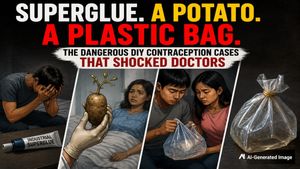 Superglue, A Potato, A Plastic Bag: The Dangerous DIY Contraception Cases That Shocked Doctors
 -
 One Pot Easy Meal: Delicious Veg Pulav Recipe


EU Bans This Toxic Gel Nail Ingredient From September 1: What It Means For Your Manicure

That glossy gel manicure you've always admired might not be as safe as it looks. Starting September 1, 2025, the European Union has officially banned Trimethylbenzoyl Diphenylphosphine Oxide (TPO), a chemical long used in gel nail polishes to create a quick-drying, high-shine finish.
Once celebrated as a miracle ingredient for salon-perfect nails, TPO is now classified as toxic to reproduction, carcinogenic, and capable of causing skin allergies.

The European Commission's Omnibus VII regulation has placed TPO on the list of prohibited cosmetic substances. From this date, nail salons, beauty retailers, and cosmetic brands across the EU must pull products containing TPO from shelves. Non-compliance could attract penalties of up to €22,000 per violation.
But here's the real question: if TPO is gone, what does that mean for your manicure, and more importantly, your health? Let's break it down with simple, practical steps to protect your nails and explore safer alternatives.
1. Why TPO Is Banned
TPO is not just another cosmetic chemical-it has been linked to fertility problems, reproductive health issues, and even cancer risks. Classified as "carcinogenic, mutagenic, or toxic to reproduction," its long-term impact on the human body raised red flags. In addition, dermatologists have warned about skin sensitisation and allergic reactions caused by prolonged exposure. The ban is a preventive step to protect consumers from these hidden dangers.
2. Switch To TPO-Free Nail Polishes
The good news is that beauty brands are already innovating. Many nail polish manufacturers have begun introducing TPO-free gels and lacquers, often using safer alternatives like benzoyl peroxide (BPO) or newer photoinitiators with lower toxicity levels. These alternatives promise the same salon-quality gloss without the health risks. When shopping, look for labels that highlight "TPO-free" or check ingredient lists before buying.
3. Give Your Nails A Detox Break
Constant gel manicures, regardless of ingredients, can weaken nail beds and cause breakage. After the EU's decision, experts recommend taking a "nail detox"-a few weeks without gel polish. During this time, let your nails breathe and recover naturally. Applying nourishing oils like jojoba, almond, or coconut oil can help strengthen brittle nails while also improving cuticle health.
4. Embrace Natural And DIY Nail Care
Not every manicure needs chemicals or UV lamps. Natural nail care is making a comeback, with options like plant-based polishes, breathable nail paints, and DIY home remedies. Lemon juice for brightness, olive oil for hydration, and biotin-rich diets for stronger nails are simple, safe ways to maintain healthy nails without compromising style.

5. Practice Safer Salon Habits
If you still prefer salon manicures, make sure you ask about the products being used. A responsible nail technician should be transparent about whether their polishes are TPO-free. Always ensure that tools are sterilised and that you're not overexposed to UV lamps, which carry their own risks. Choosing a salon that prioritises eco-friendly and non-toxic products can make a big difference.
6. Watch For Global Trends And Regulations
The EU often sets the tone for global beauty standards. While this ban currently affects European countries, other regions may soon follow. If you live outside the EU, this is the right time to be cautious. Stay informed about ingredient lists, follow international health advisories, and push your favourite brands to adopt cleaner, safer formulations.
For consumers, it's a reminder to be more mindful about what goes into the products we use daily because beauty never comes at the cost of well-being.

 Continue with Google