




 Click it and Unblock the Notifications


Latest Updates
-
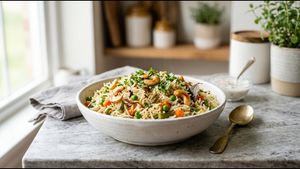 One Pot Easy Lunch Recipe: Flavorful Veg Pulao
 -
 Karan Aujla India Tour Controversy: Lucknow and Ludhiana Shows Cancelled—What Went Wrong?
 -
 Kissing Disease Linked to 3x Higher Risk of Multiple Sclerosis: What You Should Know
 -
 Feeling Drained in the Heat? 10 Healthy Drinks to Sip This Summer
 -
 Happy Birthday Rashmika Mandanna: Steal Her White Looks For Easter 2026 Festive Parties And Celebrations
 -
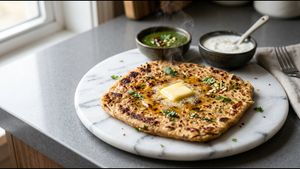 Paneer Paratha Recipe: Crispy Outside, Soft Inside Perfection
 -
 Horoscope for Today April 05, 2026 - Small Choices Guide Calm Momentum
 -
 Happy Easter 2026 Wishes: Top 50+ Messages, Status, Captions And Posts To Share With Family And Friends
 -
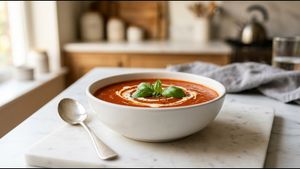 Comfort Style Creamy Blend Tomato Soup Recipe
 -
 Rashmika Mandanna’s “Now It’s Us Three” Post Sparks Speculation Ahead of Anime Awards 2026 Return


Healthy Cooking Tips

Slurp! Slurp ! Does your mouth water while seeing your delicious food on the dining table? But are you scared to grab a bite because of the immense fat and all the add on diseases that can be a part of your living for the rest of your life? Then here are some healthy cooking tips to enhance the taste of your delicious food for healthy living.
To have a profound effect on the nutrient content of the foods you eat everyday, carefully select all the ingredients and use the right cooking techniques. Here are some must follow tips,
Salt Sense: Cut half the amount of salt on your favorite recipe. Do not worry, this will not hinder the taste, if you replace a part of the salt with any herb, spice, citrus juice or peel and flavored vinegar. For any meat, soup and sauces, put garlic or onion powder. You can even add a mixture of garlic, paprika, onion, and parsley flakes.
Measure Sodium Content: Usually preserved, canned and processed vegetables often have very high sodium content, therefore go for 'low-sodium' veggies or try the frozen varieties. The best method to follow, would be to compare the sodium content on the Nutrition Facts label of similar products and choose the one with less sodium.
Control high blood pressure or high cholesterol: by using herbs, tomatoes, vinegar, onions or low fat sauces or salad dressings.
Fat Free : While baking, use plain fat-free or low-fat yogurt or fat-free or low-fat sour cream.
Preserve nutrients: To preserve the vegetable nutrients and colour, cook them quickly by steaming or stir frying instead of boiling. Avoid cooking at high temperatures as extended heat and liquid can destroy or leach out valuable nutrients. For stir frying or grilling make sure to use veggie spray or non-stick pans.
Right cooking methods: choose right cooking methods to avoid deadly diseases like cancer. Choose roasting, poaching or stir frying as frequent cooking methods. For meats follow open-flame grilling to a minimum as this practice produces cancer-promoting compounds. The best cooking method is microwave cooking as its short cooking time reduces nutrient loss in vegetables. There is no added water or fat is needed for microwave cooking.
Increase fiber : To increase fiber in your daily food, use whole grains instead of refined products, such as oatmeal, brown rice, whole wheat flour, barley and cornmeal. You can even add mashed or grated fruits or vegetables to sauces or baked goods, such as grated carrots and spaghetti. Try adding different vegetables to all your recipes. Experiment with more veggie variety in salads, try new vegetable mixes, include some shredded vegetables in casseroles, and add different vegetables to soups and stews. For flavor use chopped red or yellow peppers. In place of heavy gravies or sauces try vegetable salsas and fruit chutneys as accompaniments to meat or poultry.
Oil : oil can pack in number of diseases in your food. To avoid the health calamity, use oils like olive or canola oil. While cooking drain off visible fat and blot pan-fried foods on paper towels. For soups, allow it to chill before reheating and serving so that the fat can be skimmed from the top.


 Continue with Google