




 Click it and Unblock the Notifications


Latest Updates
-
 ₹1000 Crore and Counting: ‘Dhurandhar 2’ Isn’t Just a Hit, It’s a Box Office Phenomenon
 -
 Akshaya Tritiya 2026 Date: April 19 or 20? Know The Right Day To Buy Gold This Year
 -
 From Water Fights to Egg Games: Unique Easter Monday Traditions Explained
 -
 South Indian Perfect Texture Coconut Chutney Recipe
 -
 Horoscope for Today April 06, 2026 - Practical Steps Bring Calm Progress
 -
 Chana Masala Recipe: Experience Dhaba Style Authentic Taste
 -
 Struggling With Oily Skin This Summer? Simple Tips to Keep Shine Under Control
 -
 Garlic Bread Recipe: The Cheesy Bakery Style Trick You Need
 -
 Soha Ali Khan Swears By This ‘Gentle Game-Changer’ Lemon Drink for Gut Health: Full Recipe Inside
 -
 World Health Day 2026: You’re Not As Healthy As You Think—Here’s Why


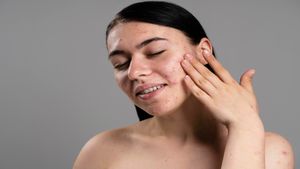
Got Cheek Acne? Here's How You Can Manage It

Redness, blemishes, and irritation on the side of your face may indicate cheek acne, but it may also be rosacea. It is common to confuse cheek acne with rosacea due to similar symptoms. However, they require distinct treatment methods. Acne treatment for rosacea may worsen the condition.
Both acne and rosacea can cause redness, bumps, and pustules on the face, but acne-related redness is typically located around the pimple, while rosacea-related redness is usually widespread. In addition, acne is associated with more blackheads and clogged pores than rosacea.

What Causes Cheek Acne?
One or more factors may cause cheek acne: makeup, your phone spreading bacteria, dirty pillowcases, touching your face, or hormonal fluctuations. However, there are several steps you can take to prevent or reduce the severity of your cheek acne.
A common cause of U-zone acne or cheek acne is the build-up of dirt, oil, and debris that clog pores over time. The T-zone, which includes the forehead, nose, and chin, is generally prone to oil production, whereas cheeks tend to be dry. As a result, adult acne is often characterized by U-zone acne, but solutions are available to alleviate breakouts.
How To Prevent Cheek Acne?
Your first step should be to improve your skincare routine. No matter how acne-prone your skin is, do not skip hydration. Make sure you choose a soothing oil-free, non-comedogenic moisturizer that will not clog your pores.
Finish your day with an exfoliating cleanser that contains AHAs/BHAs such as glycolic and salicylic acid to remove debris from your skin, break up dead skin cells, and unclog clogged pores.

Here are some other tips to prevent cheek acne:
- Make sure your sheets and pillowcases are clean.
- Try not to touch your face.
- Adjust your diet.
- Use proper shaving techniques when shaving your face.
Consult a dermatologist if your acne does not respond to over-the-counter treatments. You may use the following methods to treat your acne:
- Benzoyl peroxide
- Salicylic acid
- Retinoids
- Antibiotics
[image source: freepik]


 Continue with Google